Innovations in Dehumidification for Faster Drying
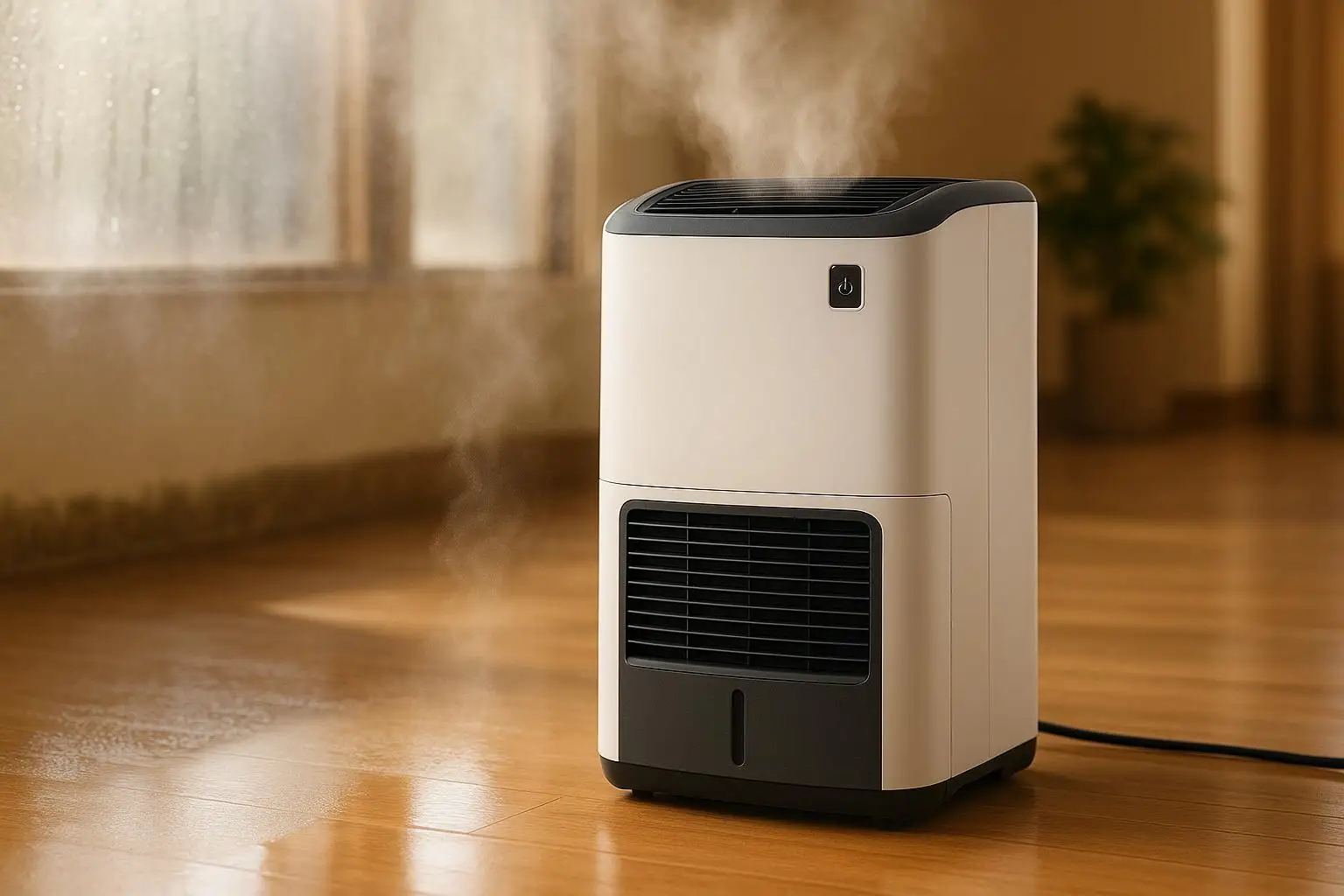
Dehumidification technology has come a long way. Modern systems make Emergency Water Damage Checklist: First 24 Hours faster and more efficient.
Today's equipment tackles both standing water and airborne moisture. This prevents mold growth and protects building structures.
Key advancements include:
- Hybrid Systems – Combine refrigerant and desiccant technology for efficient moisture control
- Variable-Speed Compressors – Adjust output based on real-time humidity, reducing energy use
- Smart Controls with IoT – Enable remote monitoring and real-time adjustments
- Multi-Stage Liquid Desiccant Systems – Absorb moisture while improving air quality
The results:
- Cut drying times by up to 50%
- Reduce energy use by 20-40%
- Save you money
Modern systems meet ASHRAE and EPA guidelines. Restoration pros who use them deliver faster recovery, healthier spaces, and better protection against long-term damage.
Unlocking Humidity Control: Desiccant Dehumidification Technology Explored
New Dehumidification Technologies for Water Damage Restoration
Recent advancements are transforming water damage restoration. These systems speed up moisture removal, reduce energy use, and provide real-time monitoring.
Multi-Stage Liquid Desiccant Systems
These systems use a closed-loop process. A liquid desiccant absorbs moisture while cooling the air.
Benefits:
- Speeds up drying
- Improves air quality by filtering contaminants
- Works well in high-humidity environments
- Ideal for large-scale projects
Hybrid Dehumidification Systems
Hybrid systems combine mechanical refrigeration and desiccant technologies.
How they work:
- The mechanical component tackles high humidity quickly
- The desiccant process takes over as conditions stabilize
Benefits:
- Significant energy savings
- Adapts to changing conditions
- Works for both residential and commercial projects
- Handles heavy-duty extraction and delicate drying tasks
Variable-Speed Compressors
Unlike traditional fixed-speed units, variable-speed compressors adjust output based on real-time readings.
Benefits:
- Faster drying
- Lower energy use
- Reduced equipment wear
- Consistent performance
Smart Controls and IoT Integration
Smart technology has revolutionized dehumidification systems.
What IoT-enabled devices offer:
- Remote monitoring from anywhere
- Track drying progress
- Receive maintenance alerts
- Make real-time adjustments
- Flag deviations from target humidity instantly
| Technology Type | Key Benefit | Best Use Case |
|---|---|---|
| Multi-Stage Liquid Desiccant | Speeds drying, improves air quality | High-humidity, contaminated spaces |
| Hybrid Systems | Energy-efficient and adaptable | Large projects with changing conditions |
| Variable-Speed Compressors | Real-time humidity control | Extended restoration projects |
| Smart Controls/IoT | Remote monitoring and precision | All projects needing accuracy |
These technologies can use up to 40% less energy than older models.
How Advanced Dehumidification Improves Restoration
Modern dehumidification combines speed and precision for better outcomes. Smart sensors and advanced controls help prevent further damage.
Faster Drying Times and Reduced Secondary Damage
Today's high-efficiency dehumidifiers can cut drying times by up to 50%.
Why this matters:
- Minimizes mold growth
- Prevents building material deterioration
- Improves indoor air quality
- Creates healthier spaces faster
Energy Efficiency and Cost Savings
Advanced dehumidifiers use 20-30% less electricity while delivering superior performance.
Cost benefits:
- Lower utility bills
- Reduced labor costs
- Shorter project timelines
- Maintenance intervals increase by 25-40%
Variable-speed compressors and smart controls extend equipment life.
Precision for Any Restoration Scenario
Advanced dehumidifiers adapt to specific project needs.
Ideal for settings requiring precise humidity control:
- Healthcare facilities
- Data centers
- Museums and galleries
Smart systems maintain consistent levels. This protects sensitive equipment and priceless artifacts.
With IoT-enabled monitoring, technicians track conditions remotely. They make real-time adjustments while staying compliant with industry standards.
Regulations and Environmental Standards
Indoor air quality standards shape dehumidification advances. Regulations push companies to innovate while prioritizing sustainability.
Meeting ASHRAE and Environmental Standards
ASHRAE Standard 62.1 sets the bar for indoor air quality. It requires humidity levels below 60% to prevent mold and microbial growth.
EPA guidelines for mold prevention complement ASHRAE standards. Together, they protect occupant health and safety.
Smart controls help by:
- Providing real-time data
- Enabling immediate adjustments
- Generating logs for audits and insurance
- Maintaining compliance
Programs like ENERGY STAR and state building codes encourage energy-efficient appliances.
Environmental Benefits and Energy Efficiency
Modern systems bring notable environmental benefits.
What restoration companies are using:
- Hybrid dehumidifiers (refrigerant + desiccant technologies)
- Smart controls for real-time monitoring
- Environmentally safe refrigerants
New developments:
- Low-global-warming-potential (GWP) refrigerants
- Predictive maintenance powered by machine learning
- Reduced equipment downtime
The global water damage restoration dehumidifier market is expected to grow at 5.7% annually between 2025 and 2033.
Total Care Restoration uses certified technicians and The Future of Restoration Innovations in Water Fire And Mold Remediation meeting both ASHRAE and EPA standards. Their systems feature smart monitoring and eco-friendly refrigerants.
Challenges remain:
- High upfront costs
- Need for ongoing technician training
- Complex integration of smart controls
But long-term benefits (improved efficiency, regulatory compliance, client satisfaction) make these investments worthwhile.
Case Study: Total Care Restoration's Advanced Methods
Total Care Restoration shows how advanced dehumidification reshapes water damage restoration. Since 2015, they've combined hybrid systems, smart monitoring, and certified technicians for both residential and Commercial properties.
Their Approach
Their strategy focuses on rapid response and precise moisture control.
How it works:
- 24/7 emergency team deploys hybrid dehumidifiers
- Systems switch between refrigerant and desiccant modes based on conditions
- IoT-enabled sensors monitor moisture in real time
- Technicians make remote adjustments
Recent project example: A flood restoration achieved full The Role of Air Movers in Drying Out a Flooded Space in just 48 hours using these methods.
Efficient Restoration Processes
Total Care Restoration combines real-time monitoring with expert training.
Their equipment lineup:
- High-capacity refrigerant dehumidifiers
- Desiccant dehumidifiers
- Hybrid models that auto-adjust
- Infrared cameras and thermal imaging
Benefits of their approach:
- Detects hidden moisture without damaging structures
- Prevents costly callbacks
- Avoids potential structural damage
Clear Pricing and Insurance Support
Total Care Restoration simplifies the logistical side.
What they offer:
- Direct insurance billing
- Free initial evaluations (typically $97 value)
- Transparent, upfront pricing
- Dedicated account representatives
Documentation includes:
- Detailed photo documentation
- Real-time moisture monitoring reports
- Adherence to ASHRAE and EPA standards
Smart monitoring supports insurance audits. This helps resolve claims faster with less hassle.
Conclusion: What's Next for Dehumidification in Restoration
The dehumidification industry is evolving. New possibilities are emerging for water damage restoration.
Emerging Trends
Artificial intelligence (AI) and machine learning:
- Analyze environmental conditions
- Predict drying requirements
- Automatically adjust equipment settings
Sustainability focus:
- Eco-friendly refrigerants
- Energy-efficient systems
- Reduced greenhouse gas emissions
- Compliance with stricter ASHRAE standards
Desiccant dehumidifiers excel in low-temperature settings where refrigerant models fall short. Combined with smart water sensors, they provide real-time leak detection and alerts.
Other innovations:
- Robotics and remote inspection tools for hazardous areas
- Biodegradable and non-toxic materials
For Restoration Professionals
Stay ahead by investing in:
- Advanced technologies
- Ongoing training
For Property Owners
Benefits of choosing advanced providers:
- Faster recovery times
- Reduced costs
- Improved indoor air quality
Together, these innovations emphasize efficiency, sustainability, and precision.
FAQs
What makes hybrid dehumidification systems effective for water damage restoration?
Hybrid systems bring together refrigerant and desiccant technologies.
How they work:
- Refrigerant dehumidifiers work best in warm, humid environments
- Desiccant systems shine in cooler or drier spaces
Benefits:
- Drastically cut drying times
- Reduce water damage
- Avoid mold growth
- Work in any temperature or humidity
How do smart controls and IoT enhance modern dehumidification systems?
Smart controls and IoT have transformed dehumidification.
What they offer:
- Real-time monitoring and control
- Adjust temperature, humidity, and energy use remotely
- Automatic response to environmental changes
- Peak performance with less energy
This accelerates drying during water damage restoration and ensures reliable results.
How do multi-stage liquid desiccant systems improve drying in high-humidity environments?
Multi-stage liquid desiccant systems remove moisture directly from air with impressive efficiency.
Why they're effective:
- Use liquid desiccant to absorb water vapor
- Work in challenging conditions where other methods fail
- Alternate between absorption and regeneration stages
- Handle heavy moisture loads quickly
They shine in large-scale projects where maintaining low humidity over extended periods is crucial.
Related Blog Posts
Want to Learn More?
Read our comprehensive guide covering everything you need to know about this topic.
The Complete Guide to Water Damage Restoration in South FloridaNeed Professional Help?
Our expert team is ready to assist with your water damage restoration needs.
View Water Damage Restoration Services