Hurricane Water Intrusion With the Power Out: What South Florida Homeowners Should Do First
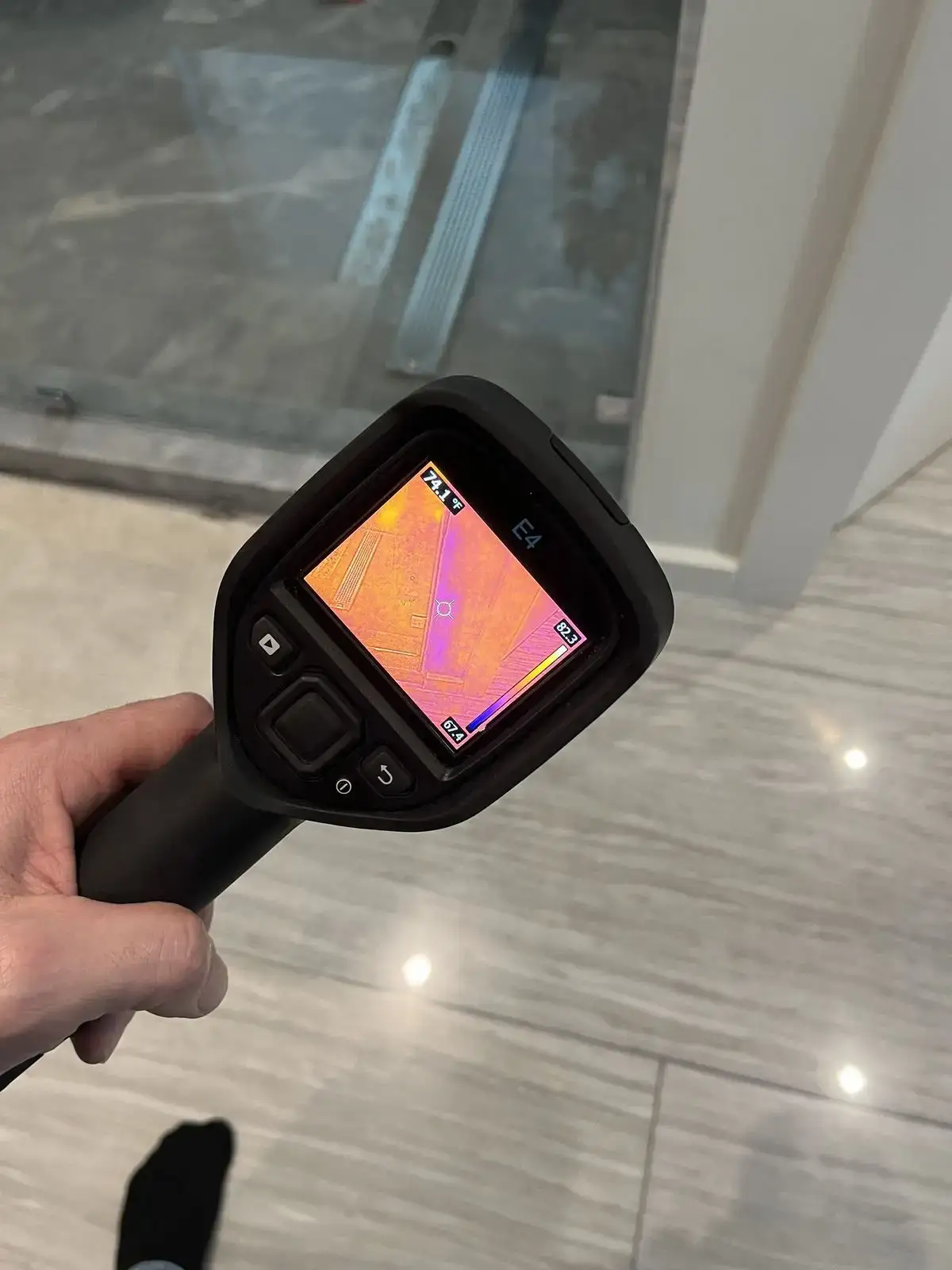
Hurricane Water Intrusion With the Power Out: What South Florida Homeowners Should Do First
Hurricane water intrusion gets harder to manage when the power is out because the usual next steps are suddenly off the table. You cannot assume fans are safe, you cannot treat every wet outlet like a small inconvenience, and you cannot wait too long to document where the water came in.
That timing matters in South Florida. The U.S. Consumer Product Safety Commission says Atlantic hurricane season typically runs from the beginning of June to the end of November, and the same alert warns that generator-related carbon monoxide can kill in minutes if people use equipment the wrong way. At the same time, the American Red Cross says a flooded home should be dried within 24 to 48 hours if possible, or you should assume mold growth is beginning.
So the goal is not to do everything at once. The goal is to do the right things in the right order: stay safe, preserve evidence, limit secondary damage, and bring in tarping, drying, or electrical help before a manageable loss turns into a much larger one.
The first useful inspection is not just about spotting wet materials. It is about deciding what is safe to touch, what needs to be documented, and what should wait for a pro.
Why hurricane water intrusion with no power is different
A blackout changes the whole recovery sequence. A normal roof leak on a clear day is one problem. Wind-driven rain entering during or right after a storm is another.
Power outages remove some of the tools homeowners count on to slow damage. You may not have safe air movement, safe lighting, or any confidence that the electrical system stayed dry. Total Care Restoration's 2026 hurricane season water-damage prep guide makes the point clearly: longer outages plus South Florida humidity raise the risk of mold growth and material breakdown after water intrusion.
That is why this scenario calls for discipline more than speed. Move too slowly and the building stays wet. Move too aggressively and you can step into an electrical hazard, spread contamination, or erase the evidence your insurer and restoration team needed to see.
Start with safety before you step into cleanup
Before you start moving rugs, opening drywall, or setting out a generator, make a basic hazard check.
The Red Cross power-outage guidance says to stay at least 35 feet away from fallen power lines and anything they are touching. The same guidance says not to enter flooded areas or use electrical equipment that may have been submerged. If circuit breakers have tripped, do not flip them back on until an electrician has inspected the system.
Start here:
- Wait for the all-clear from local officials before treating the property like a normal work zone.
- Use flashlights or battery-powered lanterns, not candles.
- Stay out of rooms where standing water is near outlets, appliances, extension cords, or the panel.
- If you smell gas, leave immediately and call the utility from outside.
- If the ceiling is sagging, treat that as a collapse risk, not a cosmetic problem.
The Red Cross flood guidance adds another useful rule: do not touch electrical equipment if it is wet or if you are standing in water. That sounds obvious, but it is exactly the kind of mistake people make when they are trying to save flooring or keep rain from spreading.
Document the loss before anything gets moved
Once the area is safe enough to enter, your next job is evidence. Total Care Restoration's storm damage guide says to photograph interior and exterior damage before cleanup. Its emergency water damage checklist says the same thing in more operational terms: room-by-room wide shots, close-ups, and a running list of affected items.
Do not overcomplicate this. Capture:
- where water appears to be entering
- ceiling stains, wet drywall, and flooring damage
- damaged windows, doors, soffits, or roof-adjacent openings you can safely see from the ground
- any wet contents you may need to move for protection
- the outage context itself: what time the power went out, when you first saw the leak, and when conditions changed
If you have to move a sofa, lift electronics, or put a bucket under a leak, photograph first, move second. That one habit makes later conversations with your insurer, roofer, or restoration company much simpler.
What you can do safely before the power comes back
This is where a lot of storm articles get too vague. Some tasks are reasonable before electricity is restored. Others should wait.
If you are dealing with clean rainwater intrusion and the room is electrically safe, Total Care Restoration's checklist says you can remove small puddles with towels and buckets, or use a wet/dry vacuum for standing water. You can also move salvageable belongings away from the drip path, lift furniture legs off wet flooring, and protect the most vulnerable contents first.
What should usually wait?
| Safe first steps | Better to wait or escalate |
|---|---|
| Buckets, towels, and basic containment for clean water | Running fans or dehumidifiers before the electrical system is cleared |
| Moving valuables and soft goods out of the wettest room | Entering rooms with standing water near outlets or appliances |
| Ground-level photos from inside and outside | Climbing onto the roof |
| Calling for tarping, extraction, or electrician support | Guessing which breakers or wet appliances are safe to reuse |
This is also the moment to separate clean intrusion from contaminated water. If the loss includes floodwater, sewage, or water that has moved through dirty building cavities, stop treating it like a basic cleanup job. The Red Cross says flooded homes can carry polluted water and wet electrical hazards, and those jobs move out of DIY territory fast.
Generator rules that matter during a storm outage
Portable generators save food, refrigeration, lights, and critical devices. They also create a second emergency when people use them casually.
The CPSC hurricane-season alert says portable generators should operate outside only, at least 20 feet from the house, with exhaust pointed away from the home and other buildings people may enter. The Red Cross generator guide adds several practical rules homeowners forget when they are tired:
- keep the generator dry
- use heavy-duty outdoor-rated extension cords
- never backfeed the house by plugging a generator into a wall outlet
- do not run the unit in a garage, carport, porch, basement, or crawlspace
- keep CO alarms active on every level and outside sleeping areas
If you need a permanent or semi-permanent connection method, ask an electrician for a transfer-switch solution. That is not the moment for improvisation in the rain.
When roof tarping or emergency mitigation should happen now
Some storm leaks can wait a few hours for daylight and coordination. Others should not.
Move fast if you have:
- active roof leakage with more rain expected
- water moving across multiple rooms
- ceiling sagging or collapsing drywall
- wet electrical areas or a panel that may have been exposed
- contaminated floodwater, not just rain intrusion
- a house that is too humid to stabilize because the outage is dragging on
This is where roof tarping and emergency restoration stop being optional line items and become the job. Total Care Restoration says professional roof tarps typically protect for about 30 to 90 days depending on conditions, and its emergency service page says the company responds 24/7 throughout South Florida. The bigger point for the reader is simpler: if the opening is still active, the house is still losing.
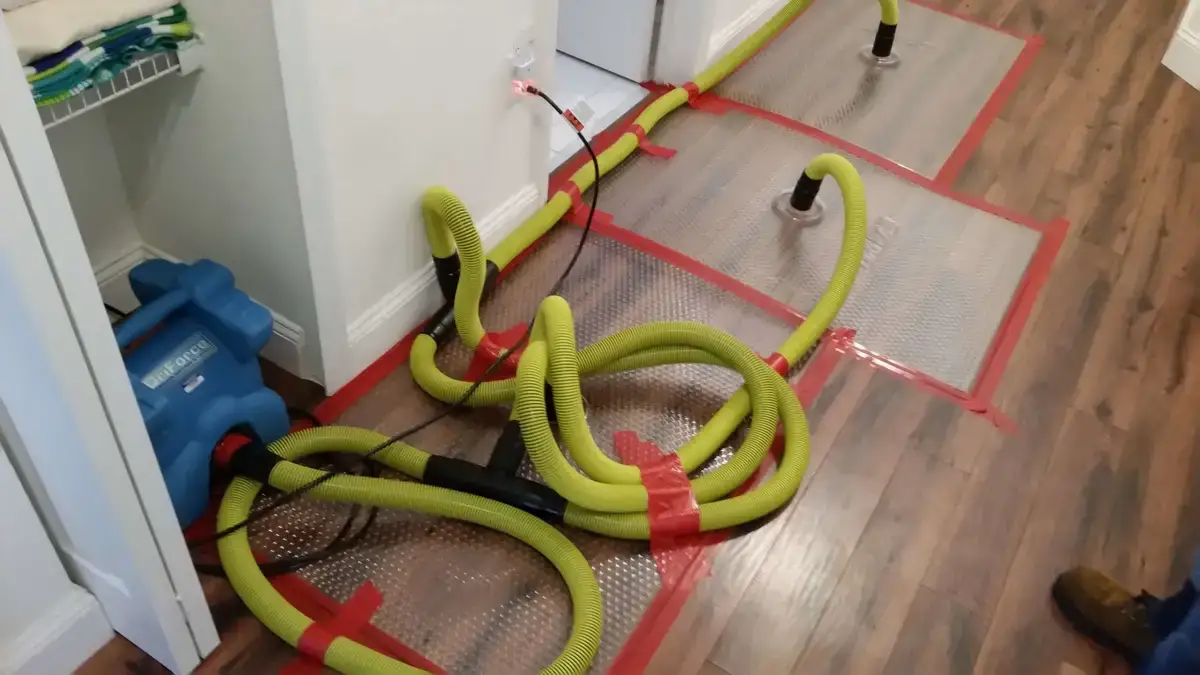
Once the structure is safe to work in, documented drying matters because it limits secondary damage and creates a clearer record of what was wet and how conditions changed.
What to have ready for the insurer and restoration team
You do not need a perfect claim file on night one. You do need an organized one.
Keep these items together:
- your first photo and video batch
- the time you noticed the leak and the time the power went out
- a list of rooms affected
- emergency receipts for tarps, cleanup supplies, lodging, or temporary protection
- notes about which appliances, circuits, or systems may have gotten wet
- contact names for the utility, insurer, roofer, electrician, and restoration company
Total Care Restoration's emergency checklist is helpful here because it makes one important distinction: document first, but do not let documentation delay mitigation. If the house is still taking on water, stopping additional damage is part of the job, not a separate phase.
If you want a broader pre-storm prevention list for the next event, TCR's guide on how to protect your home before a hurricane is worth saving before peak season.
What to do once power returns
When the lights come back on, resist the urge to act like the emergency is over.
Power returning does not prove the building systems are dry. The Red Cross says that if utilities are damaged or breakers have tripped, an electrician should inspect before you turn them back on. The same organization warns against using electrical equipment that may have been submerged.
That means your next steps should be deliberate:
- Confirm the electrical side is safe.
- Start controlled drying, not random drying.
- Re-photograph the rooms now that lighting is better.
- Track what still feels damp, smells musty, or keeps showing moisture.
The 24-to-48-hour drying clock still matters. If the blackout delayed your first real drying window, that is a strong reason to bring in measured moisture checks and professional equipment rather than assuming the room is fine because the surfaces look better.
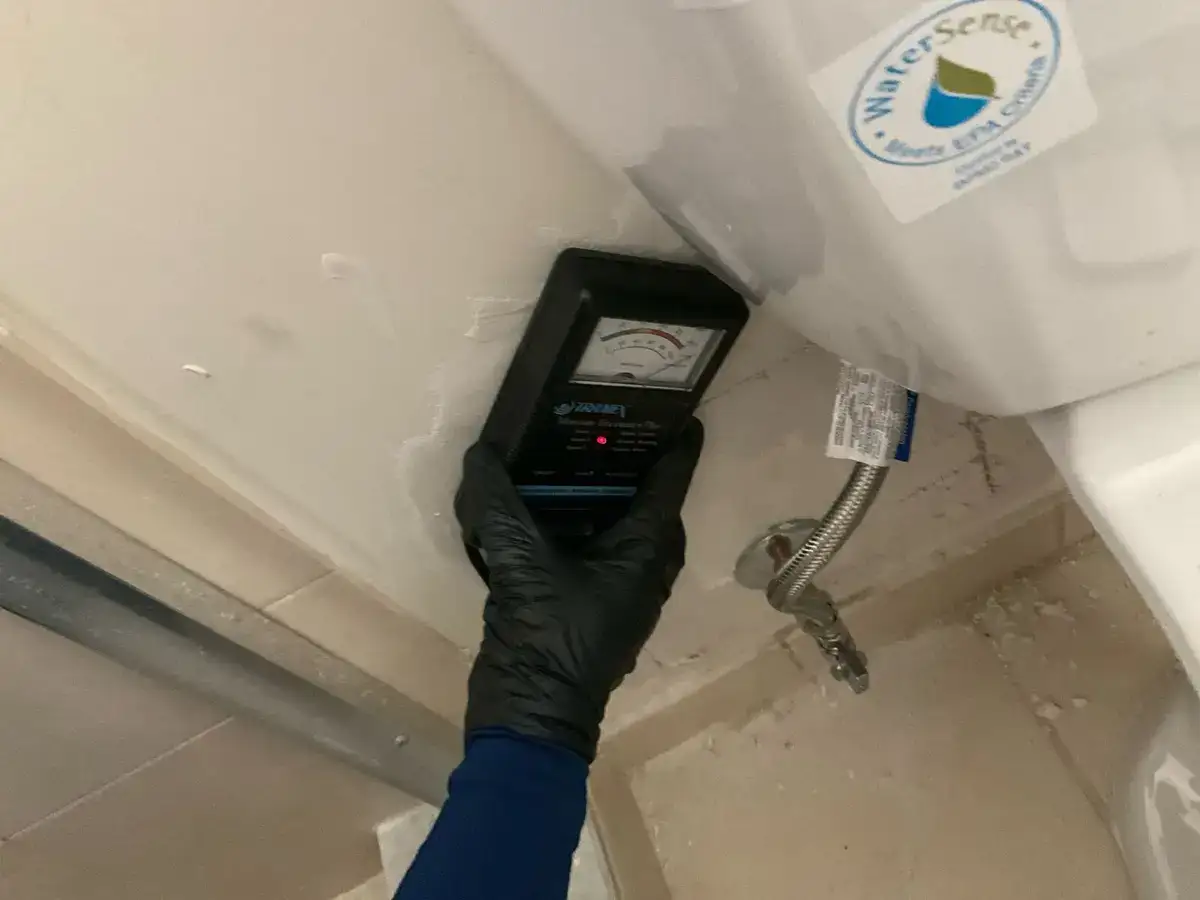
Once power is safely restored, moisture checks tell you more than a visual scan can. Hidden wet materials behind walls and under floors are often the part homeowners miss.
When to call professional help immediately
Call right away if the leak is ongoing, the ceiling is sagging, floodwater entered the home, multiple rooms are wet, or you have any doubt about electrical safety. Those are not "watch it overnight" problems.
If you are already in that zone, start with storm damage restoration or call Total Care Restoration's 24/7 emergency line. Fast tarping, extraction, and documented drying usually cost less than letting the same water keep traveling for another night.
The short version: hurricane water intrusion during a blackout is a sequencing problem. Safety first. Photos second. Containment third. Generators used correctly. Roof openings secured early. Then drying and electrical decisions made on purpose instead of in panic.
This article is general educational information, not electrical, insurance, or legal advice. Storm conditions, power systems, and policy rules vary, so confirm next-step safety decisions with qualified local professionals.
Want to Learn More?
Read our comprehensive guide covering everything you need to know about this topic.
The Complete Guide to Storm Damage Restoration and Roof Protection in FloridaNeed Professional Help?
Our expert team is ready to assist with your storm damage restoration needs.
View Storm Damage Restoration Services