Hurricane Season Water Damage Prep Guide for South Florida (2026 Update)
Living in South Florida means accepting that hurricane season is part of life. From June through November, the Atlantic basin becomes increasingly active, and the threat of devastating storms looms over Miami-Dade, Broward, and Palm Beach counties.
As South Florida's trusted restoration company, Total Care Restoration has responded to every major hurricane to impact our region. We've seen the worst water damage imaginable—and we've learned exactly what separates homeowners who recover quickly from those who face months of hardship.
This guide is updated for the 2026 hurricane season and will help you prepare, respond, and recover.
🌪 2026 Hurricane Season Outlook for South Florida
Every season is different, but the risk profile for South Florida stays consistent: wind-driven rain, roof leaks, urban flooding, and storm surge can all cause costly water damage fast.
For 2026, pay special attention to:
- NOAA’s official seasonal outlook (typically issued in late May, with updates during the season). Use it to understand the expected range of activity and timing. See NOAA’s Atlantic hurricane season outlook.
- Flooding risk beyond surge: heavy rainfall and overwhelmed drainage can flood homes far inland, especially after repeated storm bands.
- Higher “secondary damage” risk: longer power outages plus humidity can accelerate mold growth and material breakdown after water intrusion.
If you only do one thing for 2026: complete your roof inspection + drainage prep before June 1, then keep supplies and documentation ready to move quickly when a storm watch is issued.
Understanding Hurricane Water Damage in South Florida
The Three Types of Hurricane Water Damage
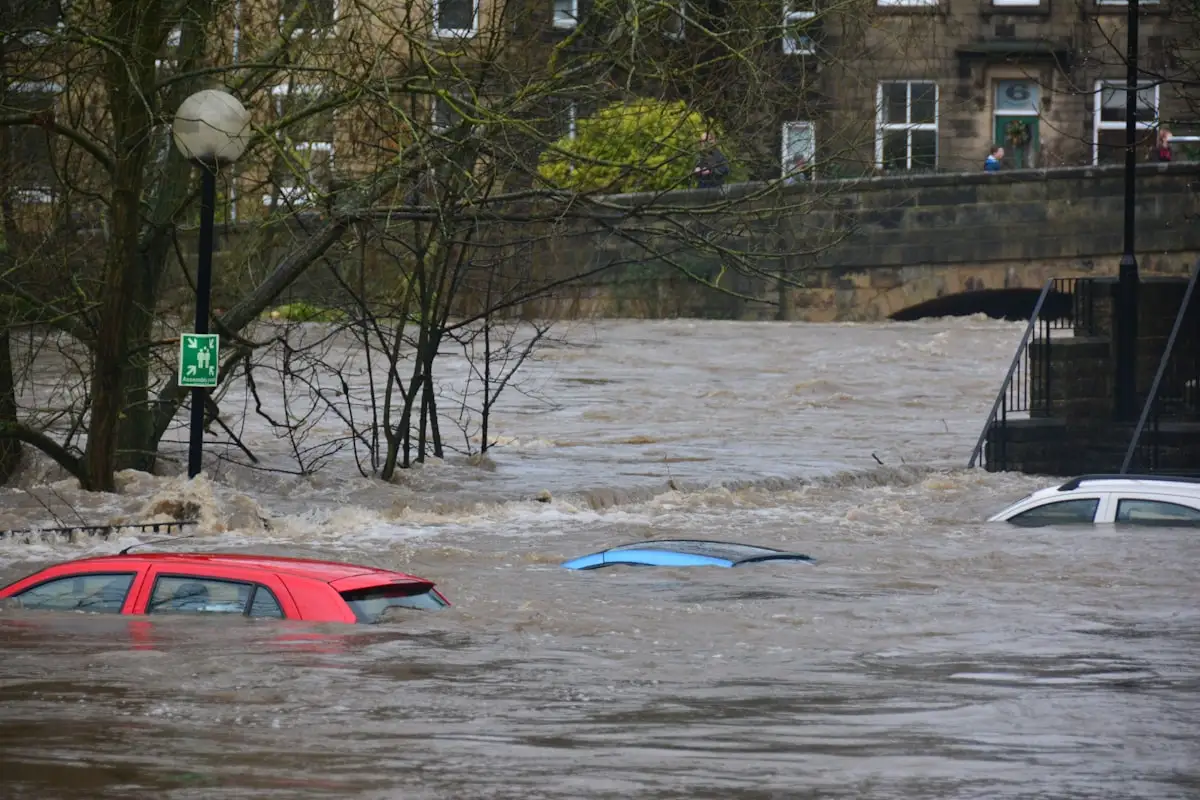
1. Storm Surge Flooding
- Sea water pushed inland by hurricane winds
- Most destructive in coastal areas like Miami Beach, Fort Lauderdale Beach, and Boca Raton
- Covered by flood insurance, NOT homeowner's insurance
2. Wind-Driven Rain Intrusion
- Water entering through damaged roofs, windows, or walls
- Often covered by homeowner's insurance
- Can begin during the storm and continue for days
3. Post-Storm Flooding
- Standing water from overwhelmed drainage systems
- Can take days to recede
- Often treated as flood damage for insurance purposes
Why South Florida Is Particularly Vulnerable
Our region faces unique challenges:
- Flat terrain means water has nowhere to drain
- High water table prevents absorption
- Aging infrastructure in many neighborhoods
- Coastal exposure from both Atlantic Ocean and Gulf influences
- Year-round humidity accelerates mold growth after flooding
Before Hurricane Season: Preparation Checklist
Home Exterior Preparation
Roof Inspection (Priority #1)
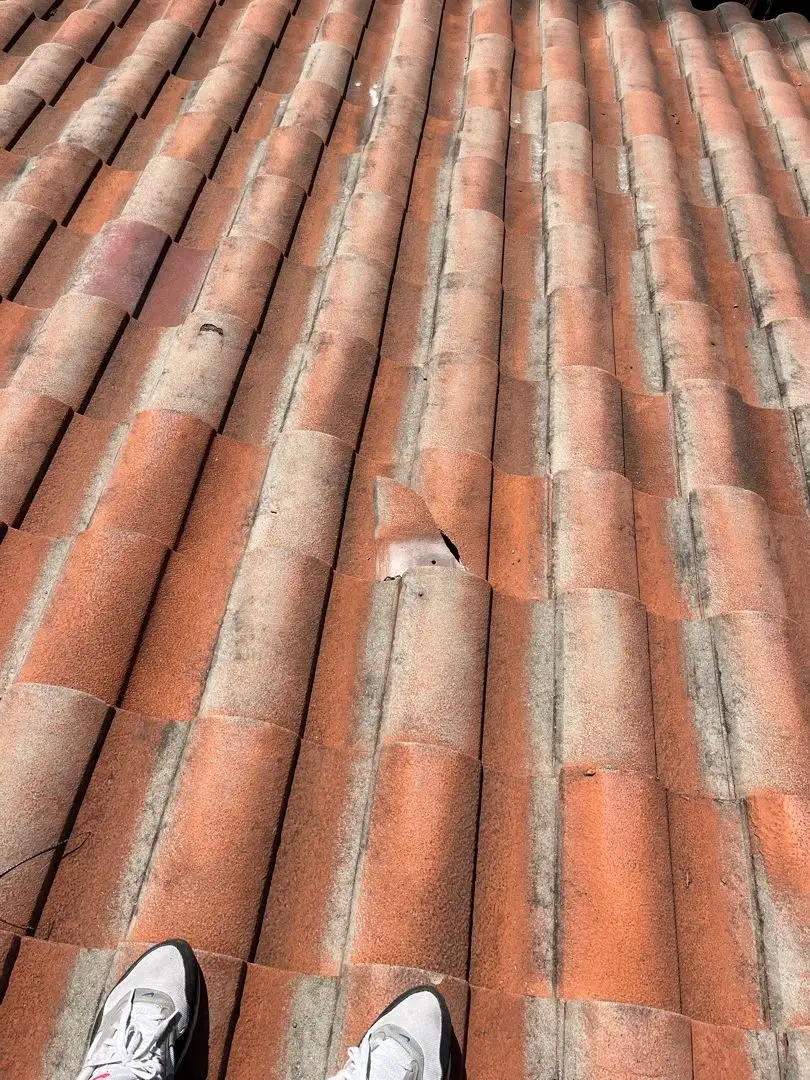
- Have a professional inspect your roof in May
- Replace missing or damaged shingles
- Secure loose flashing and ridge caps
- Clean gutters and downspouts
- Consider impact-resistant roofing if replacement is needed
Window and Door Protection
- Install hurricane shutters or impact windows
- Check door seals and weatherstripping
- Reinforce garage doors (the most common failure point)
- Secure sliding glass doors with hurricane bars
Yard and Drainage
- Trim trees and remove dead branches
- Clear drainage swales and culverts
- Know where your property drains naturally
- Secure or store outdoor furniture
Interior Preparation
Protect Valuables
- Move important documents to waterproof containers
- Store electronics in upper levels or elevated locations
- Create a digital backup of family photos and records
- Know what your homeowner's insurance covers vs. flood insurance
Plumbing and Electrical
- Know how to shut off your main water supply
- Know how to disconnect electrical at the main breaker
- Consider installing check valves to prevent sewage backup
- Have a battery-powered sump pump on hand
Insurance Preparation
Review Your Coverage
- Homeowner's insurance typically covers wind damage
- Flood insurance (NFIP or private) covers rising water
- Most policies have a 30-day waiting period for flood insurance
- Document your home's contents with video and photos
Know Your Deductibles
- Hurricane deductibles are often 2-5% of your home's insured value
- On a $500,000 home, that's $10,000-$25,000 out of pocket
- Some policies have separate wind and flood deductibles
During a Hurricane Warning (24-72 Hours Out)
Final Home Preparations
- Install hurricane shutters or plywood
- Fill bathtubs with water (for flushing toilets if water is cut)
- Move furniture away from windows
- Elevate valuable items off the floor
- Turn refrigerator and freezer to coldest settings
- Charge all devices and backup batteries
- Fill vehicles with gas
- Secure all outdoor items
Emergency Supply Checklist
Essential supplies for post-storm recovery:
- Water (1 gallon per person per day for 7 days)
- Non-perishable food
- Battery-powered radio
- Flashlights and extra batteries
- First aid kit
- Important documents in waterproof container
- Cash (ATMs may be down)
- Manual can opener
- Tarps and plastic sheeting
- Wet/dry vacuum if available
During the Storm
Safety First
- Stay away from windows and glass doors
- Take shelter in an interior room
- If flooding begins, move to higher ground—never try to walk or drive through flood water
- Turn off AC if instructed (prevents damage to the system)
Do Not
- ❌ Go outside during the eye of the storm
- ❌ Use candles (fire risk during high winds)
- ❌ Open doors or windows on the windward side
- ❌ Attempt roof repairs during the storm
After the Storm: Immediate Response
Safety Assessment (First Hour)
- Wait for all-clear from local authorities
- Check for injuries and call 911 if needed
- Assess structural damage from outside before entering
- Watch for downed power lines—never touch or approach them
- Smell for gas—if present, leave immediately and call utility company
Water Damage Response (First 6 Hours)
If your home has water intrusion:
- Document everything with photos and video before touching anything
- Contact your insurance company immediately
- Call a professional restoration company—Total Care Restoration responds 24/7 during and after storms
- Begin water removal if safe:
- Use wet/dry vacuums
- Place towels in standing water
- Open windows if weather permits
- Do not turn on electricity in wet areas
If your roof is damaged:
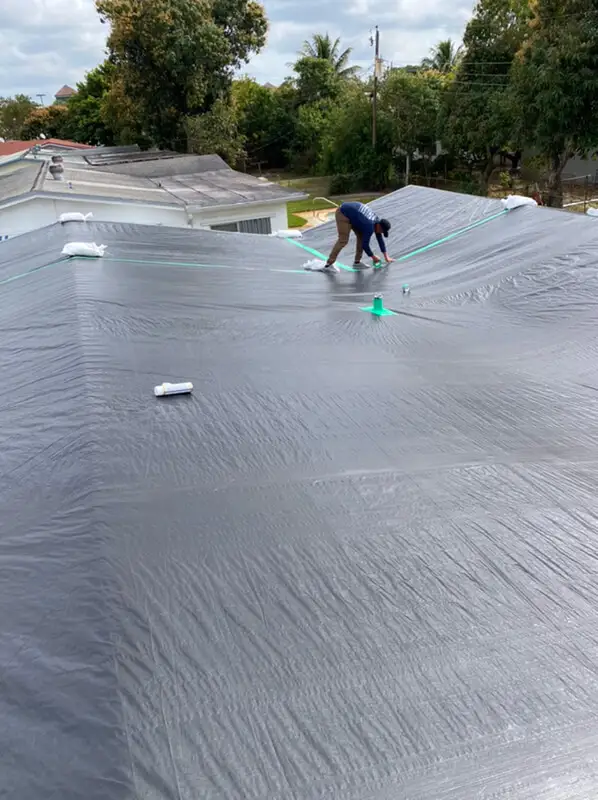
- Emergency roof tarping prevents additional water intrusion
- Professional roof tarping services can have your home protected within hours
- Document the damage before any covering is applied
- Keep damaged materials for the insurance adjuster
Mold Prevention (First 24-48 Hours)
In South Florida's humidity, mold can begin growing within 24 hours. Critical prevention steps:
- Keep air moving with fans (if power is safe)
- Use dehumidifiers if available
- Remove wet materials promptly (carpets, drywall, insulation)
- Apply antimicrobial treatments to affected areas
- Professional mold remediation may be necessary if growth begins
Post-Hurricane Recovery: Working With Professionals
Choosing a Restoration Company
After a major storm, scammers and "storm chasers" flood South Florida. Protect yourself:
Look for:
- Local company with established presence
- Proper licensing and insurance
- Direct insurance billing experience
- Available 24/7 for emergencies
- Written estimates before work begins
Avoid:
- Door-to-door solicitors
- Contractors requiring full payment upfront
- Companies without local references
- Anyone pressuring you to sign immediately
What Professional Restoration Includes
At Total Care Restoration, our storm damage restoration process includes:
- Emergency Response - Rapid deployment to assess and secure property
- Roof Tarping - Immediate temporary protection
- Water Extraction - Industrial pumps remove standing water
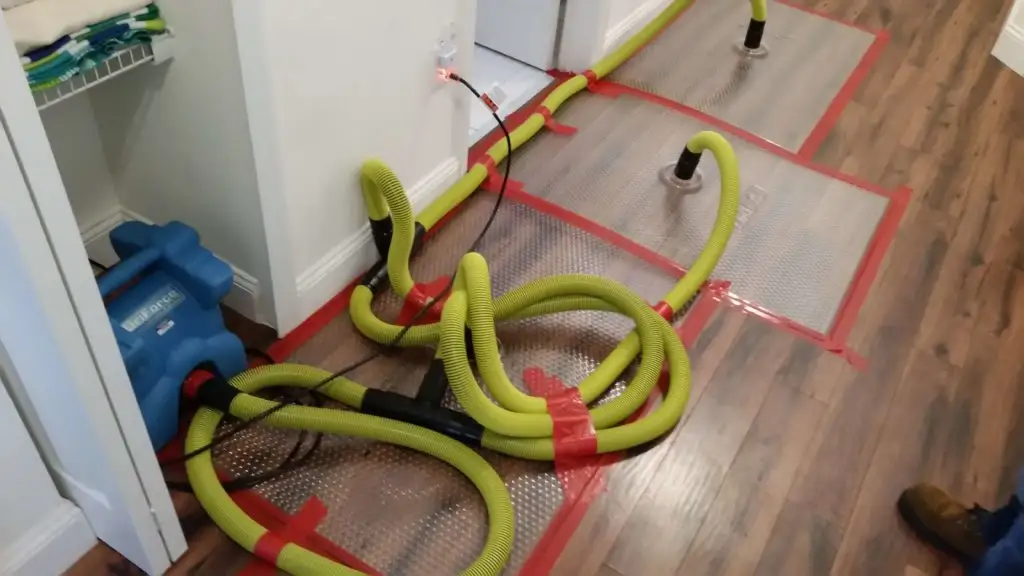
- Structural Drying - Commercial dehumidifiers and air movers
- Debris Removal - Safe disposal of damaged materials
- Mold Prevention/Remediation - Antimicrobial treatments and testing
- Full Restoration - Repairs to return your home to pre-storm condition
Insurance Claim Process
- File your claim immediately—don't wait for damage estimates
- Get a claim number and adjuster assignment
- Request an advance for emergency repairs if needed
- Document all expenses including temporary housing
- Get multiple estimates if required by your insurer
- Consider a public adjuster for complex or large claims
City-Specific Hurricane Resources
Miami-Dade County
- Water damage restoration in Miami
- Storm damage restoration in Miami
- Emergency services in Miami Beach
- Doral storm damage services
Broward County
- Fort Lauderdale storm restoration
- Pembroke Pines water damage
- Coral Springs storm recovery
- Weston emergency services
Palm Beach County
Year-Round Hurricane Readiness
Don't wait until a storm is forecast. Maintain hurricane readiness year-round:
- January-March: Review insurance policies, update home inventory
- April-May: Complete roof and exterior inspections
- June 1: Hurricane season officially begins—have supplies ready
- Monthly: Check emergency supplies, replace expired items
- After any storm: Document damage and file claims promptly
When Disaster Strikes, We're Ready
Total Care Restoration maintains emergency response capability throughout hurricane season. Our teams are:
- Pre-positioned with equipment before major storms
- Available 24/7 during and after hurricanes
- Experienced in working with all major insurance carriers
- Committed to helping our South Florida neighbors recover
Our Hurricane Service Areas
We serve all of Miami-Dade, Broward, and Palm Beach counties, including:
- Miami, Miami Beach, Doral, Kendall, Homestead
- Fort Lauderdale, Pembroke Pines, Davie, Plantation, Weston, Miramar
- Boca Raton, Pompano Beach, Coral Springs
Get Help Now
If your home has suffered hurricane or storm damage, don't wait. Every hour matters in preventing secondary damage.
Call Total Care Restoration: (786) 610-6317
We offer:
- 24/7 Emergency Response
- Direct Insurance Billing
- Complete Restoration Services
- Licensed and Insured Technicians
Contact us for storm damage restoration or explore our emergency restoration services.
Total Care Restoration has served South Florida through multiple hurricane seasons. We've helped thousands of families recover from storms including Irma, Ian, and countless tropical systems. We're your neighbors, and we're here to help you rebuild.
Want to Learn More?
Read our comprehensive guide covering everything you need to know about this topic.
The Complete Guide to Storm Damage Restoration and Roof Protection in FloridaNeed Professional Help?
Our expert team is ready to assist with your storm damage restoration needs.
View Storm Damage Restoration Services