How to Protect Your Home Before a Hurricane Hits
Protecting Your Home When a Hurricane Threatens
When a hurricane is headed toward South Florida, you have a limited window to protect your property. The actions you take in the 48-72 hours before landfall can mean the difference between minor repairs and catastrophic damage.
This guide covers the essential steps to protect your home, prioritized by importance and time required.
First Priority: Protect Windows and Doors
Windows and doors are your home's most vulnerable points during a hurricane. A single broken window can allow wind into your home, creating pressure that can lift your roof off.
Hurricane Shutters
If you have hurricane shutters installed:
- Test all shutters well before storm season
- Lubricate tracks and hinges
- Ensure you have all necessary hardware
- Practice installing them so the process is fast
- Install shutters at least 24 hours before expected landfall
Plywood Boarding
If using plywood:
- Use 5/8" or 3/4" exterior-grade plywood
- Pre-cut and label panels for each window
- Use barrel bolts or expansion anchors (not screws into stucco)
- Cover the entire window frame, not just the glass
- Include sliding glass doors and skylights
Important: Standard tape does NOT protect windows. It's a myth that creates dangerous shards if glass breaks.
Garage Doors
Garage doors are often the weakest point in home construction:
- Double-wide doors are especially vulnerable
- Install a garage door brace system
- Consider hurricane-rated garage doors
- If your door fails, interior pressure can blow off your roof
Second Priority: Roof Protection
Your roof takes the brunt of hurricane forces. Protect it before the storm:
Immediate Steps
- Remove all loose items from the roof (antennas, satellite dishes if possible)
- Clear gutters and downspouts completely
- Check for and repair loose shingles or tiles
- Trim branches that overhang or touch the roof
Long-Term Hardening
If you have time before hurricane season:
- Install hurricane straps connecting roof to walls
- Add secondary water barrier under roofing material
- Consider impact-resistant roofing for next replacement
If Damage Exists
If your roof has existing damage:
- Contact a professional immediately
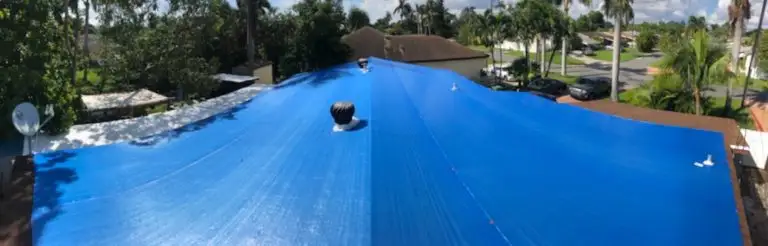
- Consider temporary roof tarping before the storm
- Don't attempt DIY roof repairs with a storm approaching
Third Priority: Outdoor Items
Everything outside becomes a potential projectile in hurricane winds:
Must Secure or Store
- Patio furniture (store inside or lay flat and secure)
- Grills (secure or store in garage)
- Potted plants (bring inside or group together)
- Garbage cans and recycling bins
- Children's toys and play equipment
- Garden tools and decorations
- Pool equipment
Yard Work
- Bring in or stake down garden hose reels
- Remove or tie down screen enclosure panels
- Deflate and store inflatable decorations
- Secure or remove mailboxes if not cemented
Pool Care
- Do NOT drain your pool (ground pressure can damage it)
- Remove loose items from pool area
- Super-chlorinate after the storm for debris
- Turn off pool pumps before the storm
Fourth Priority: Interior Preparation
Prepare the inside of your home:
Appliances and Electronics
- Unplug appliances to protect from power surges
- Move electronics away from windows
- Elevate valuables if flooding is possible
- Back up important computer files to cloud storage
Water Preparation
- Fill bathtubs with water (for toilet flushing)
- Fill clean containers with drinking water
- Set refrigerator and freezer to coldest setting
- Make ice and store in freezer bags
Document Your Property
- Take video walkthrough of your home
- Photograph valuable items and serial numbers
- Store documentation in cloud storage
- This is crucial for insurance claims
Fifth Priority: Utilities
Know how to control your utilities:
Electricity
- Know your breaker box location
- Turn off power if flooding is imminent
- Never touch electrical equipment while wet
- Have a generator plan (never run inside)
Gas
- Know how to turn off gas at the meter
- Turn off propane tanks
- Secure propane tanks so they can't become projectiles
Water
- Know your main shutoff location
- Consider turning off if evacuating for extended period
- This prevents damage from burst pipes
Flood Protection
Even without storm surge, heavy rain can cause flooding:
Exterior Drainage
- Clear all storm drains near your property
- Ensure downspouts direct water away from foundation
- Check that yard slopes away from your home
- Clear debris from swales and drainage ditches
Interior Protection
- Move valuables from ground floor if possible
- Place important items in plastic bins
- Consider flood sensors near water heaters and washers
- Know that standard homeowner insurance doesn't cover floods
Sandbags
- Sandbags can redirect water flow but don't stop flooding
- Place them in doorways and garage entries
- Never stack more than 2-3 bags high
- They're most effective for directing water, not damming it
Vehicle Protection
Don't forget your vehicles:
- Fill fuel tanks early
- Move vehicles to covered parking if possible
- Park away from trees and power lines
- Consider parking at higher ground if flooding expected
- Store important documents and supplies in vehicles if evacuating
Final 24-Hour Checklist
In the last 24 hours before landfall:
- All windows and doors shuttered or boarded
- All outdoor items secured or inside
- Vehicles fueled and positioned
- Electronics unplugged
- Bathtubs filled with water
- Refrigerator and freezer at coldest
- Property documented with photos/video
- Emergency supplies accessible
- Phone and devices fully charged
- Family communication plan confirmed
What NOT to Do
Avoid these common mistakes:
- Don't tape windows: It doesn't help and creates dangerous shards
- Don't open windows to equalize pressure: This is a myth—keep all windows closed
- Don't wait until the last minute: Stores run out of supplies, and time runs out
- Don't try to ride out surge flooding: Evacuate if in a storm surge zone
- Don't forget important documents: They're irreplaceable
After the Storm
Once the storm passes:
- Wait for official all-clear before going outside
- Watch for downed power lines and debris
- Don't wade through standing water
- Document all damage before cleanup
- Contact your insurance company immediately
- Call restoration professionals for water damage
When to Call for Help
Contact Total Care Restoration immediately if you experience:
- Roof damage or leaks
- Water intrusion of any kind
- Flooding in your home
- Wind damage to structure
- Need for emergency tarping
Our 24/7 emergency response team serves all of South Florida. We're ready before, during, and after the storm to help protect and restore your property.
Stay safe, and remember: No property is worth risking your life. If authorities order evacuation, go.
Want to Learn More?
Read our comprehensive guide covering everything you need to know about this topic.
The Complete Guide to Storm Damage Restoration and Roof Protection in FloridaNeed Professional Help?
Our expert team is ready to assist with your storm damage restoration needs.
View Storm Damage Restoration Services