How to Clean Air Purifier Filters
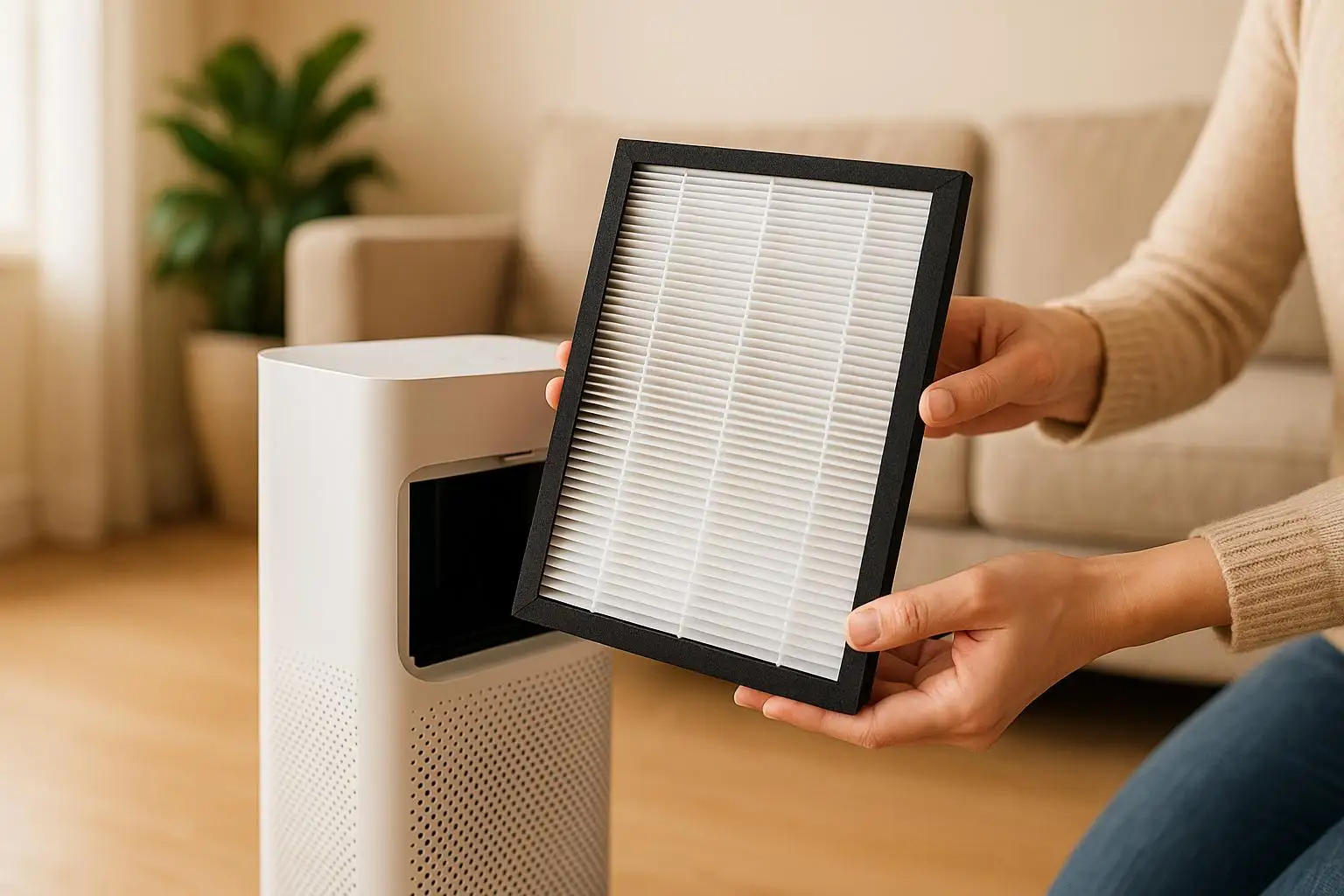
Cleaning your air purifier filters is crucial for maintaining good air quality and ensuring your device works efficiently. Whether you have a room air purifier or a whole house air filtration system, dirty filters reduce performance and increase energy use. Here’s a quick guide to keep your home air purifier—or air cleaner—running smoothly:
- HEPA Filters: Vacuum gently to remove dust. Most are not washable – check the manufacturer’s instructions.
- Pre-Filters: Wash with water (and mild soap if needed). Let them dry completely before reinstalling.
- Activated Carbon Filters: Do not wash. Use a vacuum to remove surface dust and replace every 3–6 months.
Key Maintenance Tips:
- Inspect and clean filters regularly (1–3 months for pre-filters, 6–12 months for HEPA filters).
- Replace filters as recommended to avoid poor air quality or odors.
- Always unplug your purifier before cleaning and follow the user manual for specific instructions.
Proper care not only extends filter lifespan but also keeps your air purifier working effectively. If issues persist, consult a professional for deeper problems like mold or severe contamination.
How to Clean an Air Purifier | Consumer Reports
Types of Air Purifier Filters
Understanding the different types of filters in your air purifier is essential. Whether you have a portable room unit, a large room air purifier, or even commercial air purifiers and industrial air purifiers, most use a multi-stage filtration system combining various filters to handle a range of pollutants. Each filter type has unique maintenance needs, so knowing how they work can help you keep your purifier running efficiently.
HEPA Filters
High-Efficiency Particulate Air (HEPA) filters are a cornerstone of many air purifiers. These tightly woven, pleated filters are designed to trap particles as small as 0.3 microns with an impressive 99.97% efficiency. That means they effectively capture dust, pollen, pet dander, and even some bacteria. However, HEPA filters are not washable and should never be cleaned with water. To maximize their lifespan, make sure to replace pre-filters regularly. With proper care, HEPA filters can last for several years before needing a replacement.
Washable Pre-Filters
Pre-filters act as the first barrier, catching larger debris like hair, lint, and dust before it reaches the more expensive HEPA or activated carbon filters. The good news? Most pre-filters are washable, which not only extends their own life but also helps protect the other filters. Check them monthly, and plan to replace them every six months for the best performance. When cleaning, rinse them under water, use mild soap if necessary, and ensure they are completely dry before putting them back in your purifier.
Activated Carbon Filters
Activated carbon filters are experts at tackling odors, gases, and volatile organic compounds (VOCs). These filters use carbon to absorb pollutants, and some are enhanced with chemical additives to neutralize specific smells. Unlike HEPA filters, activated carbon filters tend to require more frequent replacements, especially once they become saturated with pollutants. Keep an eye on their condition to maintain your purifier’s effectiveness.
How to Clean Air Purifier Filters
Once you’ve identified the types of filters in your air purifier, it’s time to clean them properly. Using the right method for each filter type not only extends their lifespan but also ensures your air purifier continues to perform at its best. Here’s how to clean each filter safely and effectively.
Getting Ready to Clean Filters
Before starting, always unplug your air purifier. This step is crucial for your safety and prevents accidental operation. Follow the manufacturer’s instructions to remove the unit’s panel and take out the filters.
Set up a cleaning area in a well-ventilated space, preferably near a sink. Gather your supplies: detergent, towels, and a vacuum cleaner with a brush attachment. Having everything ready will make the process easier and help you avoid leaving filters exposed for too long. If you’re worried about reassembly, take a photo or make a note of the filter arrangement.
Cleaning HEPA Filters
HEPA filters are delicate and require careful handling. Most HEPA filters are not designed to be washed with water, but you can extend their lifespan by vacuuming. Use the brush attachment on your vacuum at the lowest suction setting to gently remove dust and debris from the pleated surface. Move slowly and avoid pressing hard to prevent damage.
If your HEPA filter is labeled as washable, rinse it gently with cool water. Let it air dry completely before reinstalling it. Washing non-washable HEPA filters can ruin them, so always check the manufacturer’s guidelines.
Washing Pre-Filters
Pre-filters are typically the easiest to clean. Remove the pre-filter and rinse it under warm running water to clear out dust and debris. In most cases, water pressure alone will do the job.
For stubborn dirt, use a small amount of mild detergent. Gently work the soap through the filter material with your hands, then rinse thoroughly to remove all residue. Make sure the filter is completely dry before putting it back in the purifier. A damp filter can lead to mold growth, which can harm air quality.
Maintaining Activated Carbon Filters
Activated carbon filters require a different approach. These filters should never be washed, as water destroys their ability to absorb odors and gases.
Instead, use the vacuum’s brush attachment to gently remove surface dust. Keep in mind that activated carbon filters lose their effectiveness over time. They usually need to be replaced every 3–6 months, depending on your air quality and how often you use the purifier. If you notice loose black granules falling out during cleaning, it’s a sign that the filter needs to be replaced. Once saturated, these filters can’t be restored to their original performance.
Air Purifier Maintenance Tips
Taking care of your air purifier goes beyond just cleaning the filters. Regular upkeep ensures it runs efficiently and lasts longer.
Creating a Cleaning Schedule
Filters have different cleaning and replacement needs, depending on their type. Pre-filters, which trap larger particles, should be vacuumed every 1–3 months. HEPA filters, responsible for capturing finer particles, usually need replacement every 6–12 months. Activated carbon filters, which absorb odors and chemicals, require changing every 3–6 months due to their limited capacity.
If you live in a high-pollution area or have pets, you might need to clean and replace filters more often.
Don’t forget the exterior – wipe it down every 2–4 weeks to keep dust from clogging vents and controls. Every 3–6 months, disinfect the internal parts to prevent bacteria or mold from building up in hard-to-reach spots.
"Regular filter changes are a fundamental aspect of air purifier maintenance." – levoit.com
How Long and How Often to Run Your Air Purifier
A common question is how long to run an air purifier and how often you should keep it running. For optimal air quality in your home, run your air purifier continuously or at least 8–12 hours daily. In high-pollution areas, during allergy season, or if you have pets, running it 24/7 on a lower setting is ideal.
Modern air purifiers are energy-efficient, so the cost of continuous operation is minimal—often comparable to running a standard light bulb. If you're wondering how often to run an air purifier, the answer depends on your indoor air quality needs. For general maintenance, running it during the hours you're home is sufficient. For those with allergies, asthma, or in areas with poor outdoor air quality, continuous operation provides the best results.
Keep in mind that a large room air purifier may need to run longer to cycle all the air in the space effectively. Check your unit's CADR (Clean Air Delivery Rate) rating to ensure it's appropriately sized for your room.
Signs Your Filter Needs Attention
Certain signs can tell you when your filters need immediate care. Reduced airflow or filters that look gray and dirty mean they’re clogged. Strange noises from the unit often indicate the motor is straining to push air through dirty filters, which could lead to higher energy use and a shorter lifespan for your purifier.
If you notice musty or unpleasant odors, it’s a red flag that the filters might be saturated and could be harboring bacteria or mold. Similarly, increased allergy or asthma symptoms, or visible dust in the air, suggest your purifier isn’t performing as it should.
Many modern air purifiers come with filter replacement indicators, either on the device itself or through a connected app. Pay attention to these alerts and replace filters promptly to keep the purifier working at its best.
Following Manufacturer Guidelines
Once you’ve set up a maintenance routine, always refer to the user manual for specific instructions. Different brands and models have unique requirements for cleaning methods, filter types, and replacement schedules. Using the wrong cleaning technique or non-approved filters could even void your warranty.
For example, not all HEPA filters are washable – check before rinsing them with water. Some air purifiers also have a filter reset button that needs to be pressed after replacing a filter to recalibrate the system.
To ensure your purifier is working correctly, periodically test the airflow by holding your hand near the air outlet. If your unit has multiple fan speeds, check that each setting functions as expected.
Keeping a simple log of your maintenance activities or marking the dates on new filters can help you stay on top of your cleaning schedule and ensure your air purifier runs smoothly.
When to Contact a Professional
Regular cleaning can keep your air purifier running smoothly, but some situations call for professional help. Certain warning signs suggest that the problem may go beyond what routine maintenance can handle.
Recognizing Complex Issues
If you notice persistent musty odors, visible mold, or signs of moisture damage, it’s likely the contamination is too severe for simple cleaning. Dust-filled HVAC vents and poor airflow often point to system-wide problems that need expert attention.
Your HVAC system’s efficiency also affects how well your air purifier works. A sudden spike in your energy bill could mean your system is straining due to blockages or contamination.
Another red flag is ongoing allergies or respiratory issues, even after regular maintenance. This could indicate damaged filters or deeper contamination. Keep in mind that while HEPA filters can trap airborne mold spores, they can’t eliminate mold that’s already growing on surfaces. If mold has taken hold, it’s time to call in the professionals.
When these signs arise, a professional evaluation becomes essential.
How Total Care Restoration Can Assist
When routine cleaning isn’t enough, Total Care Restoration steps in to handle more serious issues. Their certified technicians specialize in addressing contamination caused by water, fire, or mold damage. Using advanced equipment, they safely remove affected components, address moisture problems, and restore your air quality system. They’re available around the clock and even offer direct insurance billing for added convenience.
Attempting to clean contaminated filters on your own can spread harmful spores. Instead, Total Care Restoration’s experts will safely remove damaged components and fix underlying issues like poor ventilation or moisture buildup. If water-damaged filters are harboring bacteria or mold, their team will determine whether repairs are possible or if a full replacement is needed.
Additionally, professional indoor air quality can uncover hidden problems affecting your air purifier’s performance. This comprehensive approach evaluates your home’s entire environment, rather than focusing solely on the purifier itself.
For emergency help with water, fire, or mold damage impacting your air purifier, reach out to Total Care Restoration at (786) 610-6317. Their fast response can stop minor issues from escalating into serious health risks.
Conclusion: Keeping Your Air Purifier Working Well
Skipping filter maintenance can lead to poor air quality, higher energy bills, and faster wear and tear on your purifier. Regular upkeep ensures it performs efficiently and helps you avoid expensive repairs.
Here’s a simple maintenance routine to follow:
- Inspect the main filter every six months.
- Replace activated carbon filters every 3–6 months, or sooner if odors linger.
- Clean pre-filters every 1–3 months.
Always stick to manufacturer-approved filters for the best results. If your purifier still struggles to improve air quality despite proper maintenance, it might be time to consult a professional. A little consistent care goes a long way in keeping your air purifier running smoothly.
FAQs
How do I know if my air purifier filter needs to be replaced, even if it looks clean?
Even if your air purifier’s filter looks spotless, there are a few telltale signs that it might be due for a replacement. If you notice reduced airflow coming from the device, see the filter replacement indicator light turn on, or spot dust buildup on the filter, it’s likely time for a change. Another clue? If the air in your home doesn’t feel as fresh or clean as it should, your filter might not be doing its job effectively anymore.
To keep your air purifier running smoothly and your air quality at its best, make it a habit to check the filter regularly and stick to the replacement schedule recommended by the manufacturer.
What are the signs that my air purifier might have a problem beyond just needing a filter cleaning?
If your air purifier is acting up even after you’ve cleaned or replaced the filters, you might notice a few warning signs. These can include lingering odors, strange or loud noises, or the purifier simply not turning on or functioning as it should. You might also experience deteriorating air quality, frequent headaches, or breathing discomfort, even with regular filter maintenance.
Such issues often point to internal troubles, like a faulty fan or motor, electrical glitches, or blockages within the system. If these problems don’t go away, it’s a good idea to reach out to a professional for a thorough check-up or necessary repairs.
What can I do if cleaning or replacing my air purifier filters doesn’t improve air quality at home?
If cleaning or replacing your air purifier filters hasn’t improved your air quality, there could be deeper issues at play. Start by checking if your air purifier is working correctly and whether it’s suitable for the size of your room. If the air quality still doesn’t improve, it might be worth considering a new air purifier or reaching out to a professional to investigate potential problems like mold, dust accumulation, or inadequate ventilation.
For more thorough solutions, professional services such as Total Care Restoration can step in to identify and address problems like mold or water damage that might be impacting your indoor air. Their certified technicians are available around the clock to help restore your home or business to a healthier environment.
Can I clean my air purifier filter and reuse it?
It depends on the filter type. Washable pre-filters can be cleaned and reused multiple times—simply rinse under warm water, let dry completely, and reinstall. However, HEPA filters are generally not reusable after washing; most are designed for vacuuming only and must be replaced when saturated. Activated carbon filters cannot be cleaned or reused—once they absorb odors and chemicals, they need to be replaced entirely. Always check your manufacturer's guidelines, as some brands offer washable HEPA filters specifically designed for cleaning and reuse.
Can I use Dawn dish soap to clean an air filter?
For washable pre-filters, a small amount of mild dish soap like Dawn is safe and effective. Apply a few drops, gently work it through the filter material with your hands, and rinse thoroughly until no soap residue remains. Make sure the filter is completely dry before reinstalling to prevent mold growth. However, never use dish soap on HEPA filters or activated carbon filters—these filter types should not be washed with water or any cleaning solution, as it will damage their filtration ability.
Can you soak an air purifier filter?
Washable pre-filters can be briefly soaked in warm water to help loosen stubborn debris, but avoid prolonged soaking as it can damage the filter material. A 10–15 minute soak is usually sufficient for heavily soiled pre-filters. HEPA filters and activated carbon filters should never be soaked—water destroys their ability to capture particles and absorb odors. If you're unsure whether your filter is washable, check the manufacturer's instructions before attempting to soak it.
How often should you run an air purifier?
For best results, run your air purifier continuously or at least 8–12 hours per day. If you have allergies, asthma, pets, or live in an area with poor air quality, running it 24/7 on a low setting provides the most consistent air cleaning. Modern air purifiers are energy-efficient, so continuous operation typically costs only a few dollars per month. At minimum, run your purifier whenever you're home and during sleep hours when air quality matters most for your health.
How long do air purifier filters last?
Filter lifespan varies by type and usage. Pre-filters typically last 3–6 months with regular cleaning. HEPA filters generally last 6–12 months, though some high-quality models can last up to 2–3 years with proper pre-filter maintenance. Activated carbon filters have the shortest lifespan at 3–6 months, as they become saturated with odors and chemicals. Factors like air quality, pet ownership, and how often you run the purifier will affect these timelines. Always monitor your filter indicator lights and replace filters promptly for optimal performance.
Related posts
Want to Learn More?
Read our comprehensive guide covering everything you need to know about this topic.
The Complete Guide to Mold Remediation in FloridaNeed Professional Help?
Our expert team is ready to assist with your indoor air quality needs.
View Indoor Air Quality Services