Florida Blue Roof and Emergency Tarping Demand Forecast
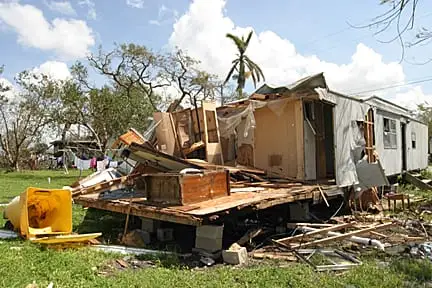
Predicting Florida's Post-Storm Roof Vulnerability
When a major hurricane strikes Florida, the immediate crisis shifts from wind and storm surge to a slower secondary disaster: water intrusion. Roof openings that are not covered quickly can turn a wind claim into a larger interior water-damage loss, especially when permanent roofing work is delayed by inspections, insurance reviews, material shortages, or contractor backlogs.
Forecasting Florida roof tarping demand means looking beyond the cone of uncertainty. The useful signals are historical FEMA disaster declarations, United States Army Corps of Engineers (USACE) Blue Roof activity, housing age, roof type, and the gap between emergency protection and permanent repair capacity.
What Operation Blue Roof Counts and Misses
The federal government's best-known temporary roof program is Operation Blue Roof, managed by the USACE after eligible disaster declarations. The program installs fiber-reinforced sheeting on qualifying primary residences so homeowners can reduce additional rain intrusion while permanent repairs are arranged.
The historical volume is significant. Public USACE and FEMA reporting shows more than 20,000 blue roofs installed after Hurricane Ian in Southwest Florida, 42,425 temporary roofs after Hurricane Wilma, and more than 115,000 blue tarpaulins installed across Florida during the 2004 hurricane season.
However, these figures only represent a fraction of the actual demand. Operation Blue Roof has strict eligibility requirements. It is generally reserved for primary residences with less than 50 percent structural roof damage. Commercial properties, vacation rentals, and homes with flat, metal, or clay tile roofs are frequently excluded because standard tarping methods may cause further damage or fail to secure properly on those materials. Consequently, the official installation counts represent a baseline—the absolute minimum demand in a given disaster zone.
For restoration planning, that gap is the point. The official count tells you how many eligible homes made it into one federal channel. It does not tell you how many condo associations hired private crews, how many commercial buildings needed temporary protection, how many tile roofs required a different method, or how many homeowners installed a short-term tarp before deciding whether shrink wrap was worth the added cost.
That is why a county can show modest Blue Roof numbers and still have intense private demand. If many roofs are tile, flat, commercial, or vacation-rental properties, the federal count can understate how many structures still need temporary weather protection. South Florida has all of those conditions at once.
Storm Events and Disaster Declarations by County
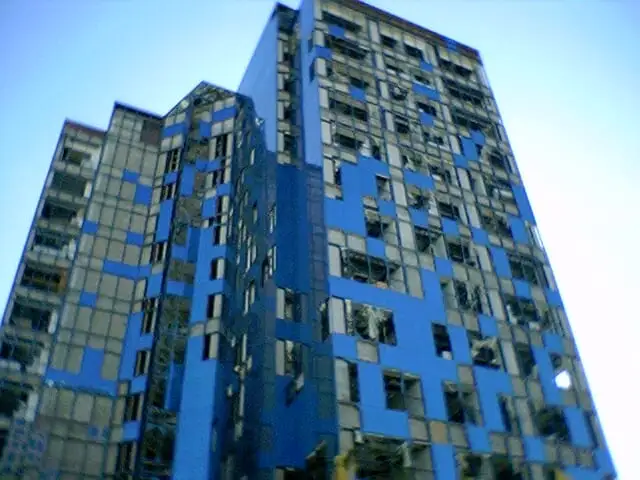 Historical storm events provide the baseline for forecasting temporary roof protection needs.
Forecasting demand begins at the county level, tracking where FEMA issues Major Disaster Declarations that activate Individual Assistance programs. Coastal counties such as Lee, Collier, Miami-Dade, and Broward consistently show high exposure, but inland counties can also experience intense wind events that strip aging roofs without the catastrophic storm surge seen on the coast.
When analyzing county-level risk, older housing stock matters because pre-2000s roofs may not reflect the same wind-mitigation standards as newer construction. Roof covering type matters too: asphalt shingle, tile, metal, low-slope, and commercial roofs do not fail or tarp the same way.
South Florida property managers should separate "storm exposure" from "temporary protection difficulty." A coastal home may have high exposure but straightforward asphalt-shingle tarping. A mid-rise condo may have less roof surface per unit but far more coordination friction: access, board approvals, tenant communication, elevator limits, and staging areas. A commercial property may need protection that keeps inventory, equipment, or tenant operations from being damaged while a permanent roofing contractor is scheduled.
The best forecast therefore scores more than wind history. It also asks:
- How old is the roof assembly?
- What roof covering is installed?
- Can crews access the damaged area safely?
- Is the building occupied, commercial, multi-family, or single-family?
- Are there interior finishes, electrical systems, or business operations directly below the damaged roof?
- How long would permanent repair likely take if hundreds of nearby properties are competing for the same contractors?
Temporary Roof-Protection Demand Signals
Building permits provide another critical data layer for forecasting, but they lag behind the emergency. In Florida, temporary protection can often be installed immediately to prevent further damage, while permanent roof repairs and roof replacements must follow local permitting requirements and the Florida Building Code.
This regulatory gap means that in the immediate aftermath of a storm, local building departments will not reflect the actual demand for roof protection. The true volume of compromised roofs only becomes apparent weeks or months later when homeowners finally secure contractors for permanent repairs and file permit applications. Recognizing this lag is essential for suppliers and restoration firms managing inventory for emergency shrink wrap and heavy-duty tarps.
| Demand signal | What it reveals | What it misses |
|---|---|---|
| Operation Blue Roof installations | Minimum eligible residential demand after a declared disaster | Private tarps, commercial roofs, tile roofs, and properties outside eligibility |
| FEMA disaster declarations | Counties where federal assistance may activate | Roof-specific damage counts |
| Local roofing permits | Permanent repair volume after the emergency phase | Same-week tarping demand before permits are filed |
| Restoration dispatch volume | Real-time private-market need | Public visibility unless companies publish aggregate data |
The lag between emergency protection and permit data is especially important for insurers, HOAs, and facilities teams. Permit dashboards may look quiet during the first week after a storm precisely when tarping demand is highest. By the time roof-repair permits spike, the best emergency crews may already be booked, material inventories may be depleted, and interior water damage may have spread.
Private Tarps and Shrink Wrap Alternatives
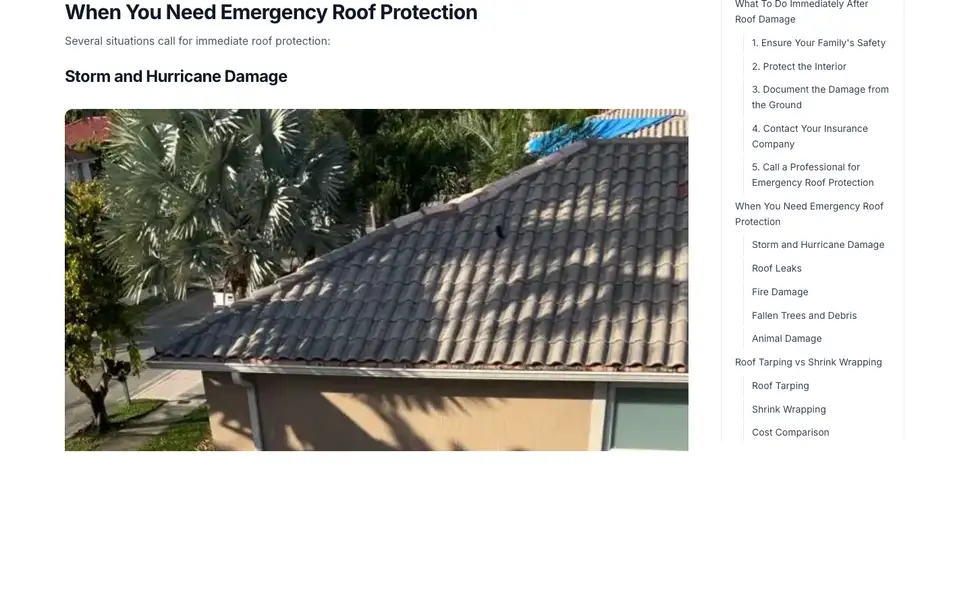 Professional restoration teams offer long-term solutions like shrink wrapping when permanent repairs are delayed.
Because of the limitations and timing of federal programs, private emergency crews handle a large share of temporary protection. When deciding how to secure a property, homeowners, associations, and commercial operators typically choose between standard tarps and industrial shrink wrap.
A traditional tarp is usually the fastest emergency measure. It is most useful when the damaged area is accessible, the roof shape is straightforward, and permanent repair is expected quickly. But tarps are a short-term fix. They can loosen in wind, pool water if installed poorly, and need monitoring after heavy rain.
For severe damage or when permanent repairs may take months, shrink wrapping can be a better fit. This approach heat-seals a heavy-duty plastic membrane around the damaged area, creating a tighter weather barrier that can conform to more complex roof shapes. It requires specialized equipment and costs more upfront, but it can reduce repeat tarp visits when a roof needs longer-term protection. Total Care Restoration provides emergency tarping and shrink wrapping across South Florida for homes, associations, and commercial properties.
Tarp vs Shrink Wrap Decision Matrix
The right temporary protection depends on time, roof type, safety, and the value of what sits below the damaged area. A quick tarp can be the correct decision for one property and the wrong decision for the building next door.
| Situation | Standard tarp may fit when... | Shrink wrap may fit when... |
|---|---|---|
| Expected repair timeline | Permanent repair is likely within days or a few weeks | Repairs may take months because of claims, permitting, material delays, or contractor backlog |
| Roof geometry | Damage is localized and the roof is simple enough to secure safely | The damaged area has complex transitions, openings, or sections where a tighter seal is needed |
| Property type | Single-family residence with accessible slope and limited interior exposure | Condo, commercial, large residential, or high-value interior exposure below the opening |
| Weather outlook | No major wind or rain events are expected after installation | Repeated storms, tropical moisture, or long rainy-season exposure is likely |
| Maintenance tolerance | Owner can monitor and request adjustments quickly | Owner needs a more durable temporary barrier with fewer repeat visits |
This matrix is not a substitute for a roof inspection. It is a planning tool. The final choice depends on whether crews can access the roof safely, how much structure is damaged, whether temporary protection can be anchored without causing more damage, and how quickly permanent repairs can realistically begin.
Pre-Storm Checklist for Property Managers and HOAs
The worst time to choose a temporary-roof plan is after a named storm has already damaged hundreds of properties in the same county. Boards, managers, and commercial operators can reduce friction by making several decisions before hurricane season becomes active.
Before the next storm, document:
- Roof access points. Identify ladders, hatches, locked doors, elevator limitations, and staging areas.
- Roof covering and warranty constraints. Tile, metal, low-slope, and shingle systems may require different temporary-protection methods.
- Emergency contacts. Keep restoration, roofing, insurance, board, management, and tenant contact lists in one place.
- Photo baseline. Maintain pre-loss roof and interior photos so new damage is easier to distinguish from old wear.
- Approval authority. Decide who can authorize emergency mitigation when waiting for a full board vote would allow more water intrusion.
- Interior priority areas. Identify electrical rooms, elevator equipment, medical space, records storage, server rooms, and occupied units below vulnerable roof sections.
This planning does not prevent storm damage, but it can prevent the slow administrative scramble that leaves a building exposed after the wind passes.
Forecast Method and Limitations
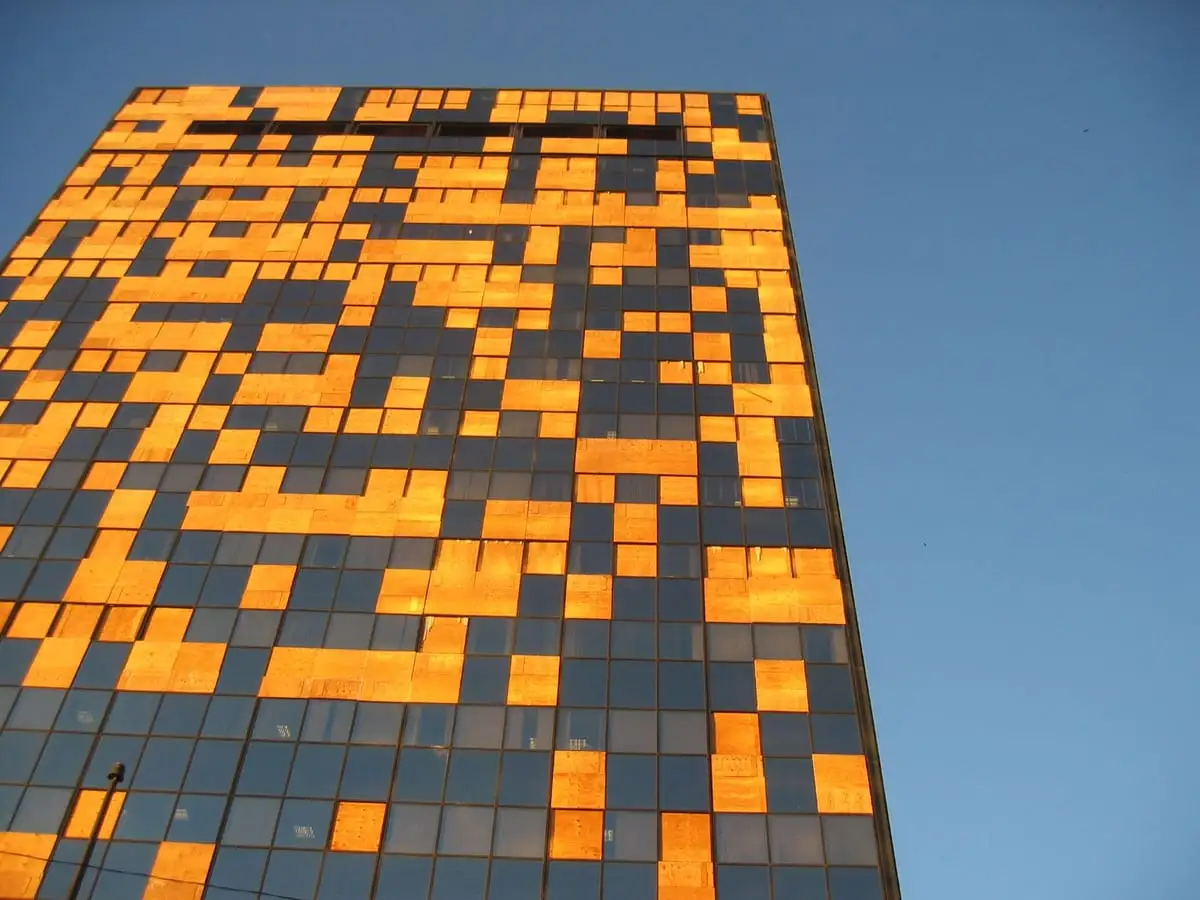 Temporary protection, including plywood and tarps, must hold until permanent reconstruction can be permitted and completed.
Building an accurate demand forecast requires combining historical Operation Blue Roof installation counts, county disaster declarations, roof age, roof type, and the share of buildings that may be ineligible for federal tarping programs. The strongest local forecast also includes private-market signals: emergency calls, temporary-protection inventory, and roofing permit spikes after the first inspection wave.
The primary limitation is post-storm logistics. Even when demand is modeled well, material supply, road access, fuel, safety conditions, and trained crew availability determine how quickly protection can be installed. That is why property managers should pre-identify emergency contacts, roof access constraints, and documentation requirements before the first named storm is nearby.
The second limitation is visibility. Public programs, permit databases, and disaster declarations are helpful, but they are not real-time private-market dashboards. The most useful forecast combines public records with local operational knowledge: which roof types dominate a neighborhood, where older buildings cluster, which areas lose power often, and how quickly crews can safely reach damaged roofs after a storm.
For homeowners, the takeaway is straightforward: do not wait for a federal program or a roofing permit to tell you whether the interior is at risk. If the roof is open and rain is expected, temporary protection is part of mitigation. The question is which method can be installed safely, documented clearly, and maintained until permanent repair is complete.
Disclaimer: Building codes, insurance policies, and federal assistance programs are subject to change. Always confirm permit requirements with your local building department and consult a licensed roofing contractor before undertaking repairs.
Want to Learn More?
Read our comprehensive guide covering everything you need to know about this topic.
The Complete Guide to Storm Damage Restoration and Roof Protection in FloridaNeed Professional Help?
Our expert team is ready to assist with your storm damage restoration needs.
View Storm Damage Restoration Services