How to Remove Mold from Wood: Get Rid of Fungus & Mold Fast
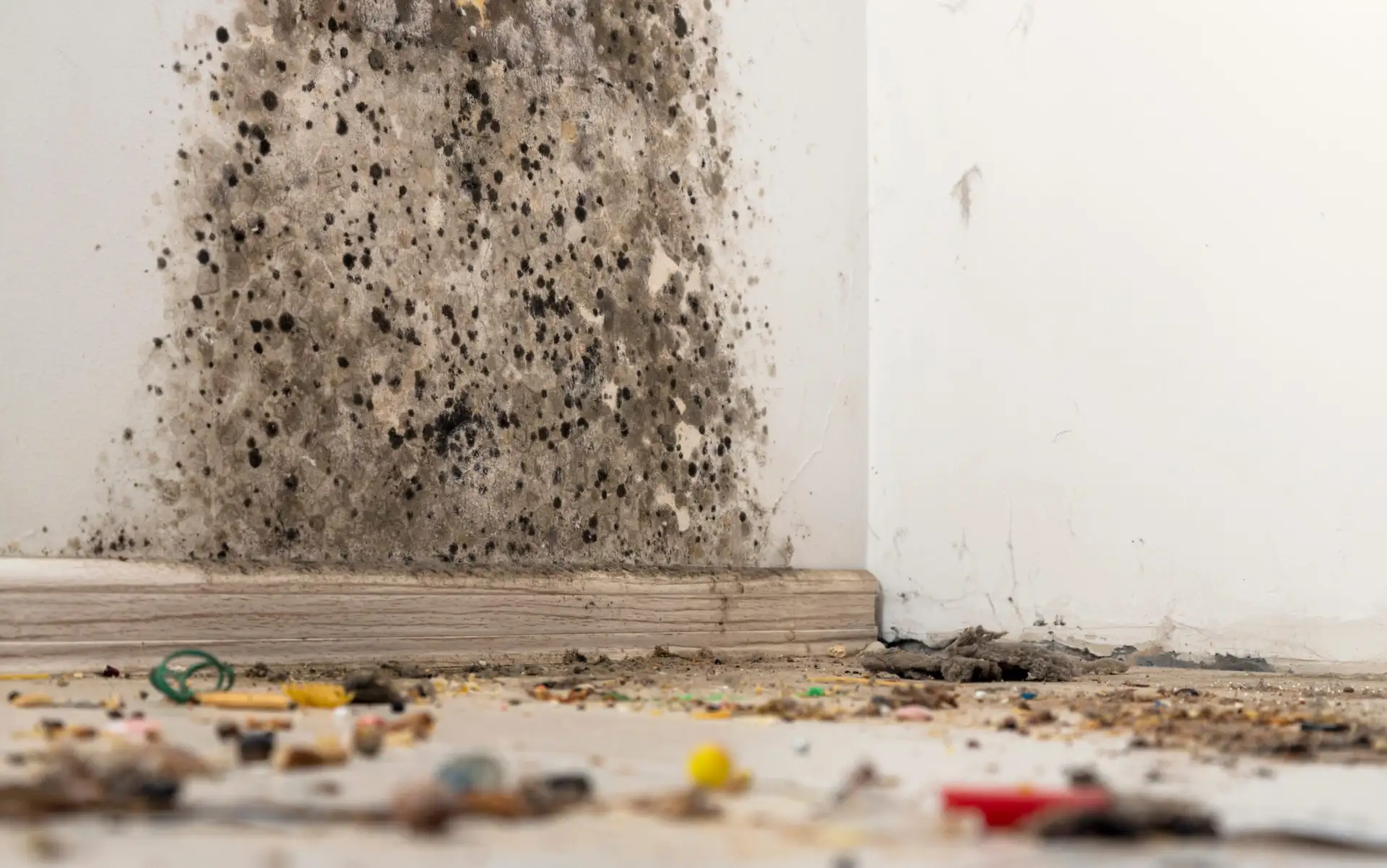
What Does Mold on Wood Look Like?
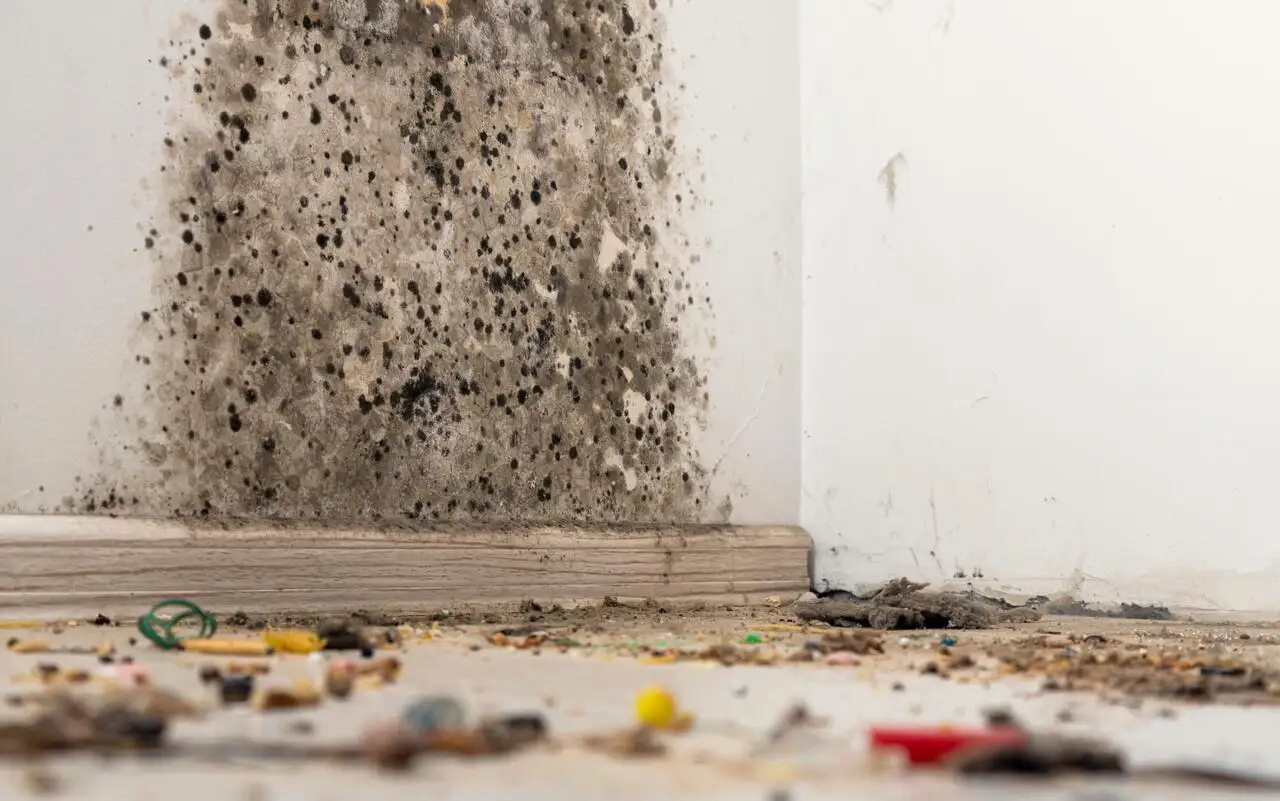
Spotted something fuzzy on your wood floors or furniture? You need to act fast. Mold spreads quickly and can damage both your health and your home.
Before you can remove mold from wood, you need to know what you're dealing with.
Common Types of Mold on Wood
Black Mold (Stachybotrys chartarum)
- Appears as black spots or streaks
- Loves damp, humid spaces like basements
- The most dangerous type—take it seriously
Aspergillus
- Shows up as green or yellow patches
- Common in poorly ventilated areas
- Can trigger allergies and respiratory issues
Penicillium
- Blue or green with a fuzzy texture
- Often found on water-damaged wood
- Spreads rapidly if left untreated
How to Tell If It's Mold (Not Just a Stain)
Not sure if what you're seeing is mold? Here's how to tell:
| Sign | What to Look For |
|---|---|
| Color | Irregular patches that don't match the wood grain |
| Smell | A musty, earthy odor |
| Texture | Fuzzy, slimy, or powdery surface |
Quick Test: Shine a flashlight at an angle across the surface. Mold will cast tiny shadows due to its raised texture. Wood stains won't.
Don't Forget Hidden Mold
Mold doesn't always stay visible. It can hide behind walls where you can't see it. If you smell mold but can't find it, check our guide on how to tell if there's mold behind walls.
Safety First: Protect Yourself Before Removing Mold
Stop. Before you touch that mold, gear up. Mold spores are tiny and dangerous. They can trigger allergies, asthma attacks, and worse.
What to Wear When Cleaning Mold
| Item | Why You Need It |
|---|---|
| N95 Mask | Filters out mold spores from the air you breathe |
| Rubber Gloves | Protects skin from mold and cleaning chemicals |
| Safety Goggles | Keeps spores out of your eyes |
| Long Sleeves | Minimizes skin exposure |
Who Should NOT Clean Mold
Leave it to the pros if you:
- Have asthma or respiratory issues
- Have a weakened immune system
- Are pregnant
- See more than 10 square feet of mold
Learn more about the health risks of mold exposure.
Best Cleaning Solutions to Remove Mold from Wood
Not all mold requires the same treatment. Here's what works:
For Light Mold Growth
White Vinegar (Best for most situations)
- Mix: Use undiluted in a spray bottle
- Why it works: Kills 82% of mold species
- Safe for finished and unfinished wood
Dish Soap + Water
- Mix: 1 teaspoon soap per cup of warm water
- Best for: Surface mold on finished wood
- Gentlest option available
For Stubborn Mold
Hydrogen Peroxide (3%)
- Apply directly to moldy areas
- Let it fizz for 10 minutes
- Great for furniture and trim
Borax Solution
- Mix: 1 cup borax per gallon of water
- No harsh fumes
- Leaves behind mold-resistant residue
⚠️ Never mix bleach with vinegar or other cleaners. It creates toxic fumes.
How to Get Mold Out of Wood: Step-by-Step
Follow these steps to remove mold from wood floors, furniture, or trim.
Step 1: Prepare the Area
- Move furniture and rugs away
- Open windows and doors for ventilation
- Put on your protective gear
Step 2: Vacuum Loose Spores
Use a vacuum with a HEPA filter. This traps tiny mold spores instead of blowing them around. Go slowly over the affected area.
Step 3: Apply Your Cleaning Solution
- Spray vinegar or your chosen solution onto the mold
- Don't oversaturate the wood
- Let it sit for 5-10 minutes
Step 4: Scrub Gently
Use a soft-bristled brush. Scrub in the direction of the wood grain. Apply light pressure—you want to remove mold, not damage the wood.
Step 5: Wipe Clean
Use a damp cloth to wipe away the residue. Rinse your cloth frequently.
Step 6: Dry Completely
This step is crucial. Moisture left behind invites mold back. Use fans, open windows, or a dehumidifier. The wood should be bone dry within 24-48 hours.
How to Prevent Mold from Coming Back
You've removed the mold. Now keep it gone. Prevention is simpler than cleanup.
Control Your Humidity
Mold needs moisture. Keep indoor humidity between 30-50% and mold can't grow.
Quick wins:
- Run a dehumidifier in basements and bathrooms
- Use exhaust fans when cooking or showering
- Keep AC running during humid months
- Don't overwater houseplants
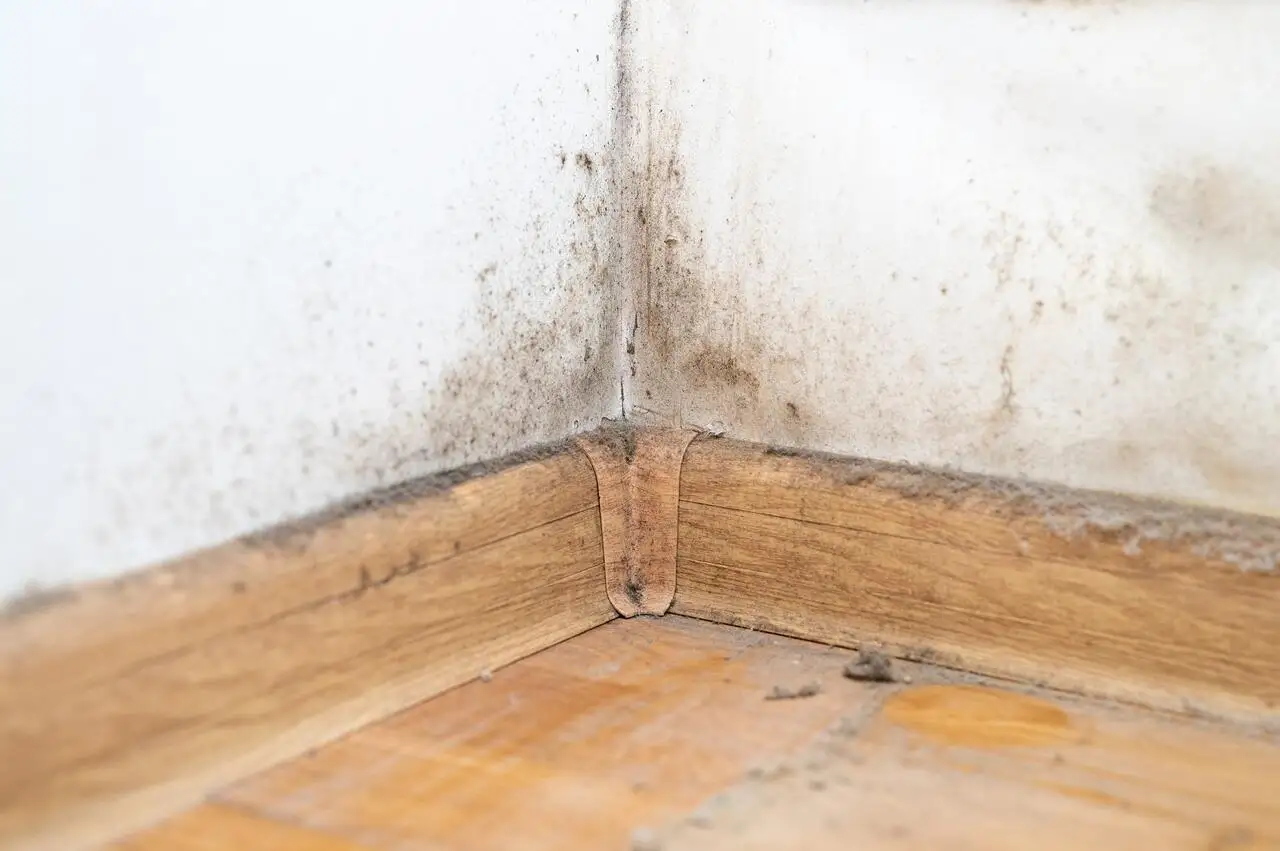
Fix Leaks Immediately
Water leaks are the #1 cause of mold. A small drip today becomes a big mold problem tomorrow.
Check these spots monthly:
- Under sinks
- Around toilets and tubs
- Near windows and doors
- In the basement and attic
- Around your water heater
Roof leaks? Even minor roof damage lets moisture in. Consider roof tarping as a temporary fix until repairs are done.
Improve Air Flow
Stagnant air traps moisture. Keep air moving:
- Open closet doors periodically
- Leave space between furniture and walls
- Run ceiling fans
- Don't block air vents
When to Call a Professional
Sometimes DIY isn't enough. Call the pros when:
Size Matters
If mold covers more than 10 square feet (roughly a 3x3 foot area), you need professional help. Large colonies go deep into wood. Surface cleaning won't cut it.
It Keeps Coming Back
Cleaned it twice and it's back again? There's a hidden moisture source. Professionals find and fix the root cause.
Black Mold
Suspect black mold (Stachybotrys)? Don't risk it. This type releases dangerous toxins. Pros have the equipment to handle it safely.
Health Symptoms
Experiencing headaches, breathing problems, or allergic reactions near the mold? Get out and call experts immediately.
Total Care Restoration offers professional mold remediation. We identify the source, remove all mold safely, and help prevent future growth. Contact us for a free assessment.
Quick Reference: Remove Mold from Wood
Identify:
- Look for fuzzy patches, discoloration, musty smells
- Use the flashlight test for texture
Protect yourself:
- N95 mask, gloves, goggles, long sleeves
Clean it:
- Vacuum with HEPA filter
- Apply vinegar or hydrogen peroxide
- Scrub gently with the grain
- Wipe clean, dry completely
Prevent return:
- Keep humidity at 30-50%
- Fix leaks immediately
- Improve air circulation
When in doubt, call a pro. Your health isn't worth the risk.
Want to Learn More?
Read our comprehensive guide covering everything you need to know about this topic.
The Complete Guide to Mold Remediation in FloridaNeed Professional Help?
Our expert team is ready to assist with your mold remediation needs.
View Mold Remediation Services