Condo Water Damage Restoration: Who Coordinates Access, Drying, and Documentation?
Condo Water Damage Restoration: Who Coordinates Access, Drying, and Documentation?
Condo water damage restoration gets messy for one reason fast: the water almost never stays in one unit. It moves through ceilings, shared walls, risers, cabinets, and floor assemblies, which means the cleanup problem becomes a coordination problem almost immediately.
That is why the first question should not be "Who is at fault?" It should be "Who needs to know right now so the water stops spreading, the affected units get documented, and the drying plan starts before hidden moisture turns into a bigger loss?" The Community Associations Institute notes that after major multi-unit losses, boards and managers should have all affected units inspected with professional equipment rather than relying on a quick visual look. The EPA also warns that mold can start growing on drywall, carpet, wood, and furniture when they stay wet for more than 24 hours.
Early inspection matters because the real job is not just spotting what looks wet. It is deciding which units, cavities, and shared systems need to be documented and dried before the loss spreads.
If water is active right now, use this order:
- make the area safe
- notify the people who control access
- photograph before moving materials
- start mitigation as soon as conditions are safe
The details below show what that looks like in a condo or HOA building.
Why condo water losses spread faster than a single-room leak
A single-family leak is often isolated to one owner and one decision-maker. A condo loss usually is not. Water can start in one unit, travel through a chase or shared wall, stain a hallway ceiling, and show up in a lower unit before everyone involved even agrees on where it started.
That is why condo losses escalate faster than people expect. In its complete water damage guide, Total Care Restoration explains that Class 3 water damage means water is coming from above and ceilings, walls, and floors are all saturated. In a stacked building, that pattern is common. The visible stain in one kitchen may be the least important part of the job if the real moisture is trapped above, behind cabinets, or inside neighboring walls.
The timing risk is also worse in shared buildings because access delays are common. Someone has to reach a tenant, a property manager may need to approve entry to a locked utility area, and a board may need updates before common-area work starts. Meanwhile, the clock on secondary damage keeps running. The EPA's flood cleanup guidance says wet materials that stay soaked for more than 24 hours are at higher risk for mold growth, and porous materials that cannot be cleaned and dried often need to be discarded.
The practical takeaway is simple: treat a condo water loss like a building system problem, not a "wait and see" stain problem.
Who to loop in first: owner, manager, board, insurer, and restoration team
The right call order depends on where the water is and what it is touching, but condo losses usually involve the same five parties:
| Role | What they need to know early | Why it matters |
|---|---|---|
| Unit owner or occupant | What is wet, what changed, and whether the leak is active | They can confirm timing, access, and contents damage |
| Property manager | Which units or common areas are involved | Managers control vendor access, notices, and building coordination |
| Board or board representative | Whether common elements or multiple units are affected | They may need to approve or track building-level response steps |
| Insurance contact | Date of loss, basic cause, affected rooms, and emergency actions taken | Early reporting keeps the claim file organized |
| Restoration contractor | Source conditions, category of water, affected units, and access constraints | Drying and containment plans depend on that information |
Use this as a fast triage guide:
- Water only inside one unit from a fixture or appliance: owner, manager, insurer, then restoration support if materials are saturated or hidden moisture is likely.
- Water crossing ceilings, common walls, or shared chases: owner or occupant, manager, affected neighbors, insurer, then restoration support.
- Roof, riser, sprinkler, or common-area system involvement: manager first, then board contact if required by your building, then restoration support and insurer.
- Category 2 or 3 water, or any uncertain contamination: stop treating it like a basic cleanup and bring in professional help immediately.
The CAI guidance is especially useful here because it avoids pretending every building works the same way. It says responsibilities should be communicated clearly to owners because governing documents determine who handles which repairs. That is the right way to think about condo response: use the documents for responsibility, but do not let uncertainty about responsibility delay safe mitigation.
How access, photos, and room-by-room notes keep the job organized
In condo losses, documentation is not paperwork for later. It is how you keep multiple people aligned while the situation is still changing.
Total Care Restoration's emergency water damage checklist recommends room-by-room wide shots and close-ups of affected ceilings, walls, floors, and contents before cleanup starts. FEMA's severe-weather guidance makes the same point from the claims side: photograph interior and exterior damage before removing items, organize the damage by room, and keep receipts for what you spend protecting the property.
That means your file should include:
- wide shots of every affected room
- close-ups of the ceiling stain, drip point, warped flooring, swollen cabinets, or baseboards
- photos of any nearby common-area source if it is visible and safe to document
- timestamps for when the leak was discovered, when management was notified, and when drying started
- a list of affected units, even if damage looks minor in some of them
- receipts for emergency materials, temporary lodging, or urgent mitigation expenses
If flooring, drywall, or trim may need replacement, FEMA also advises keeping receipts and, when possible, saving samples of damaged finish materials. That does not mean delaying cleanup. It means building the record while the crew is stabilizing the loss.
The mistake that causes avoidable confusion is partial documentation. If only the original unit photographs the leak, the lower unit and common-area damage can look like a separate issue later. In condos, one organized file beats three separate phone threads every time.
What drying looks like when walls, ceilings, risers, or neighboring units are involved
Drying a condo loss is usually less about the puddle you can see and more about the moisture you cannot.
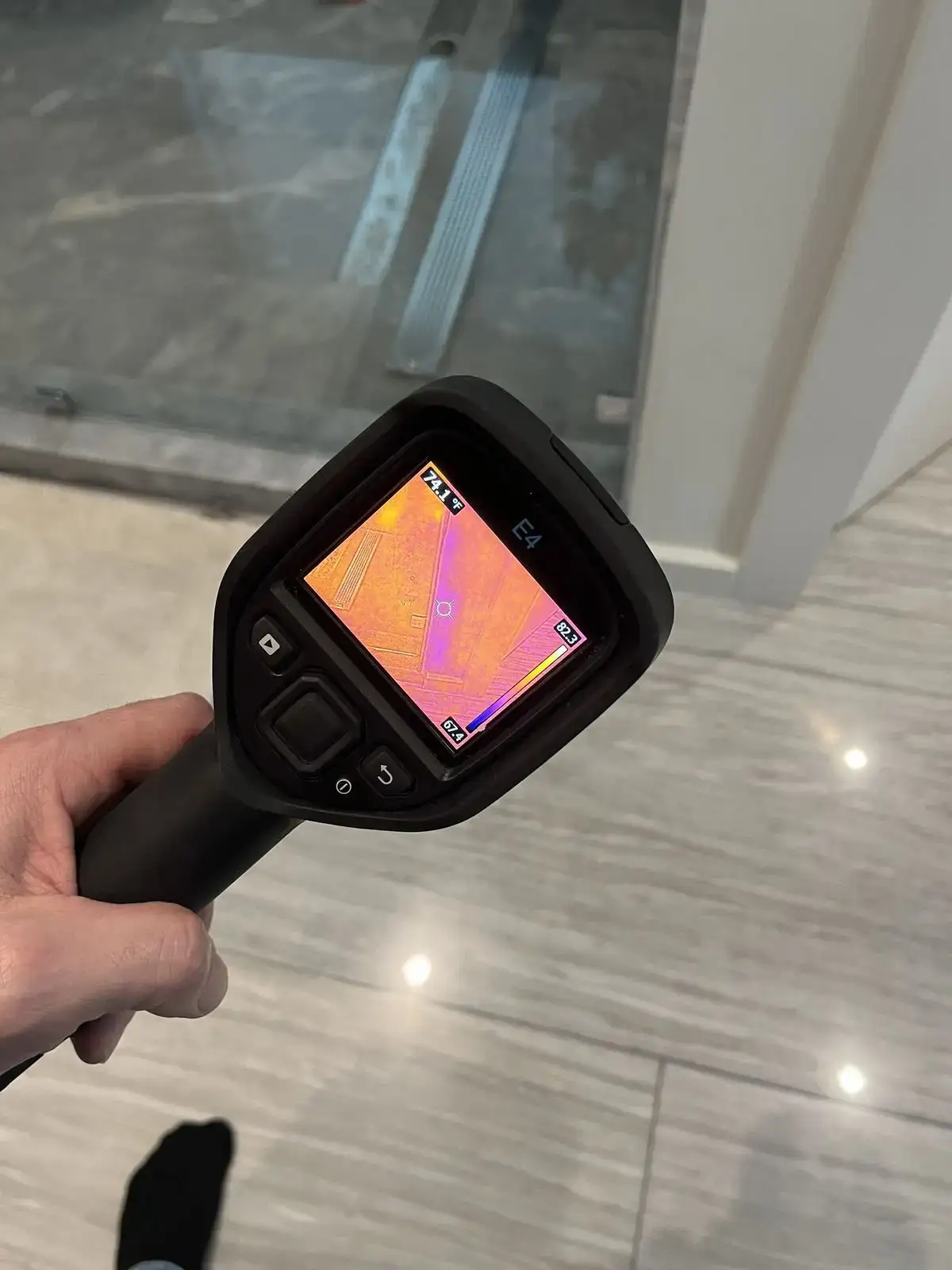
Total Care Restoration's water damage restoration guide says professionals use thermal imaging cameras, penetrating and non-penetrating moisture meters, and humidity readings to find moisture behind walls, under floors, and around concealed building cavities. The same guide notes that drying progress should be checked daily until the structure is actually dry. On the EPA side, the standard is even more practical: use a moisture meter to verify materials are dry, and do not refinish walls, cabinets, or flooring until the moisture content is low enough to support that finish.
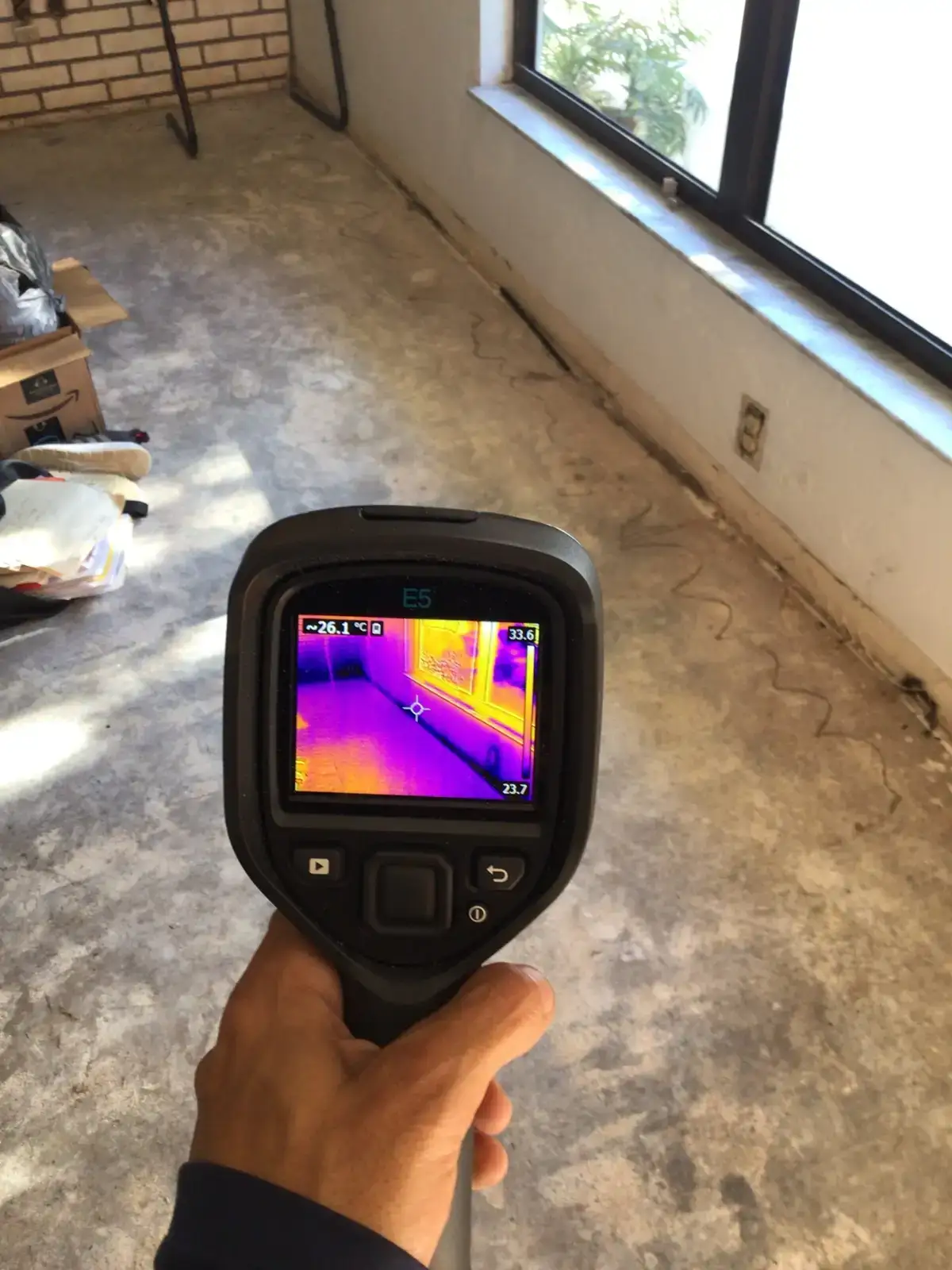
In a condo building, the visible damage is often only the map. The real job is confirming how far moisture moved through cavities, floor systems, and neighboring units before finishes are closed back up.
For readers, the most useful distinction is this:
- Clean water, caught quickly: some materials may be dried and saved if access is prompt and the structure can be monitored.
- Water that sat too long, visible mold, or uncertain contamination: the cleanup plan changes, and some porous materials may need removal instead of drying in place.
EPA specifically says that if visible mold is already present, it is smart to avoid blasting fans or dehumidifiers at full speed until the visible growth has been gently cleaned at least once. That matters in condos because one bad drying decision can move particles through an occupied unit while people are still trying to understand the scope of the loss.
Typical dry-out timelines still depend on severity, but the bigger issue in multi-unit buildings is sequence: inspect first, map moisture second, then place equipment where it helps the whole affected footprint rather than only the first room that looked bad.
When common-area systems change the response plan
Some condo losses are really common-area losses that happen to show up inside a unit first.
Examples include:
- roof or façade water entry
- common drain or riser failures
- sprinkler discharges
- shared HVAC or condensate problems
- elevator-adjacent or corridor leaks that spread into units
Once those systems are involved, the job usually needs faster building-level coordination. CAI's hurricane-recovery guidance says affected units should be inspected with specialized equipment and that boards and community managers should communicate clearly with owners about what happens next. Total Care Restoration's commercial water damage restoration page reinforces why this matters operationally: occupied buildings often need after-hours service, minimal disruption planning, and better documentation when multiple spaces are involved.
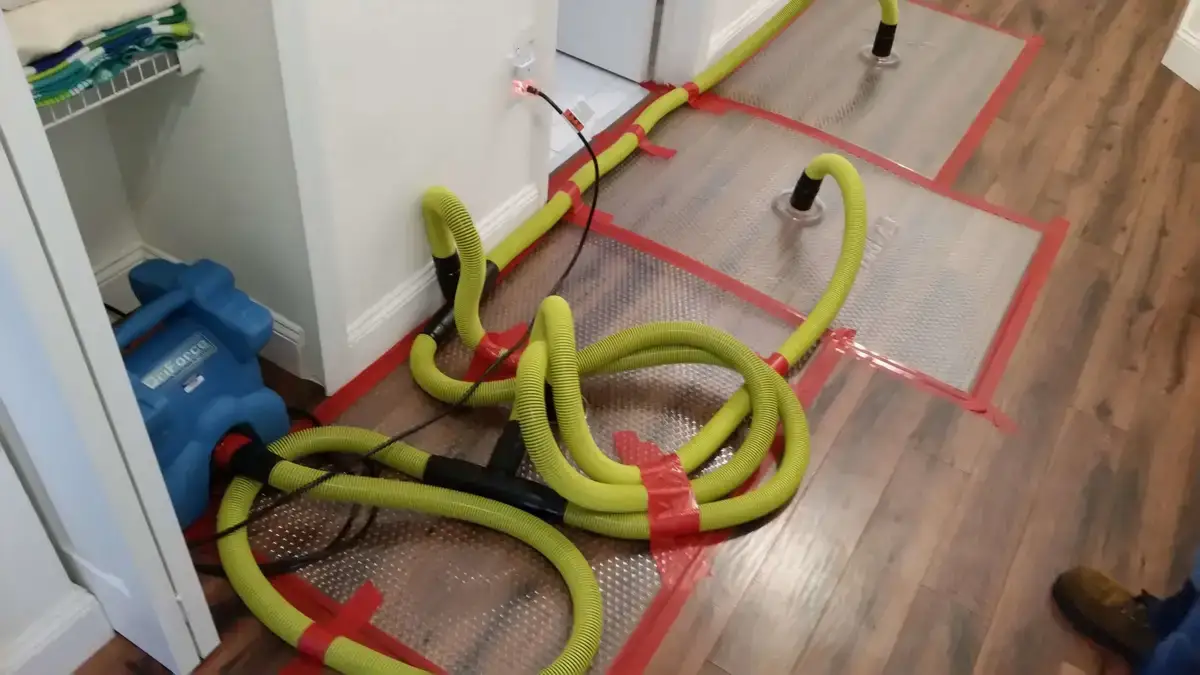
Shared buildings often need drying plans that respect access windows, neighboring units, and common-area traffic. The goal is not just to place equipment. It is to place it where the whole affected path can dry and be monitored.
This is where managers earn their keep. They do not need to diagnose every wet assembly themselves. They need to keep access moving, keep the contact chain current, and make sure the affected footprint is treated like one coordinated event instead of a series of disconnected complaints.
How to protect the claim file without waiting on every answer
Owners often worry that starting cleanup too soon will hurt the claim. The better rule is narrower: do not destroy the evidence, but do not let the property sit wet while you wait for perfect clarity.
FEMA's guidance says people generally do not need to wait for an inspection to begin cleanup and repairs once it is safe to re-enter, as long as they photograph the damage first. Total Care Restoration's checklist says the same thing in contractor terms: notify the insurer quickly, but do not wait to start drying if the property is actively losing condition.
That means a strong condo claim file usually includes:
- the first discovery time
- who was notified and when
- photos sorted by room and unit
- any emergency work authorization or building-access notes
- moisture readings, drying logs, and equipment placements from the restoration team
- receipts for temporary protective work
If the building has different opinions about where the loss started, keep the article's most important discipline in mind: document what is observable first. Responsibility may take time to sort out. Wet drywall and trapped moisture will not wait.
For readers who need a deeper primer on the overall process, Total Care Restoration's water damage restoration resource hub and complete water damage guide are the best next reads.
When professional restoration should take over immediately
Some condo jobs are coordination-heavy but manageable. Others need emergency restoration without debate.
Call for professional help right away if you have:
- water crossing into more than one unit
- ceiling or wall cavities staying wet after the source was stopped
- contaminated water, sewage, or uncertain water category
- sagging ceilings, wet electrical areas, or saturated built-ins
- common-area system involvement with unclear access to the full affected path
- visible mold, strong odors, or materials that have likely been wet for more than a day
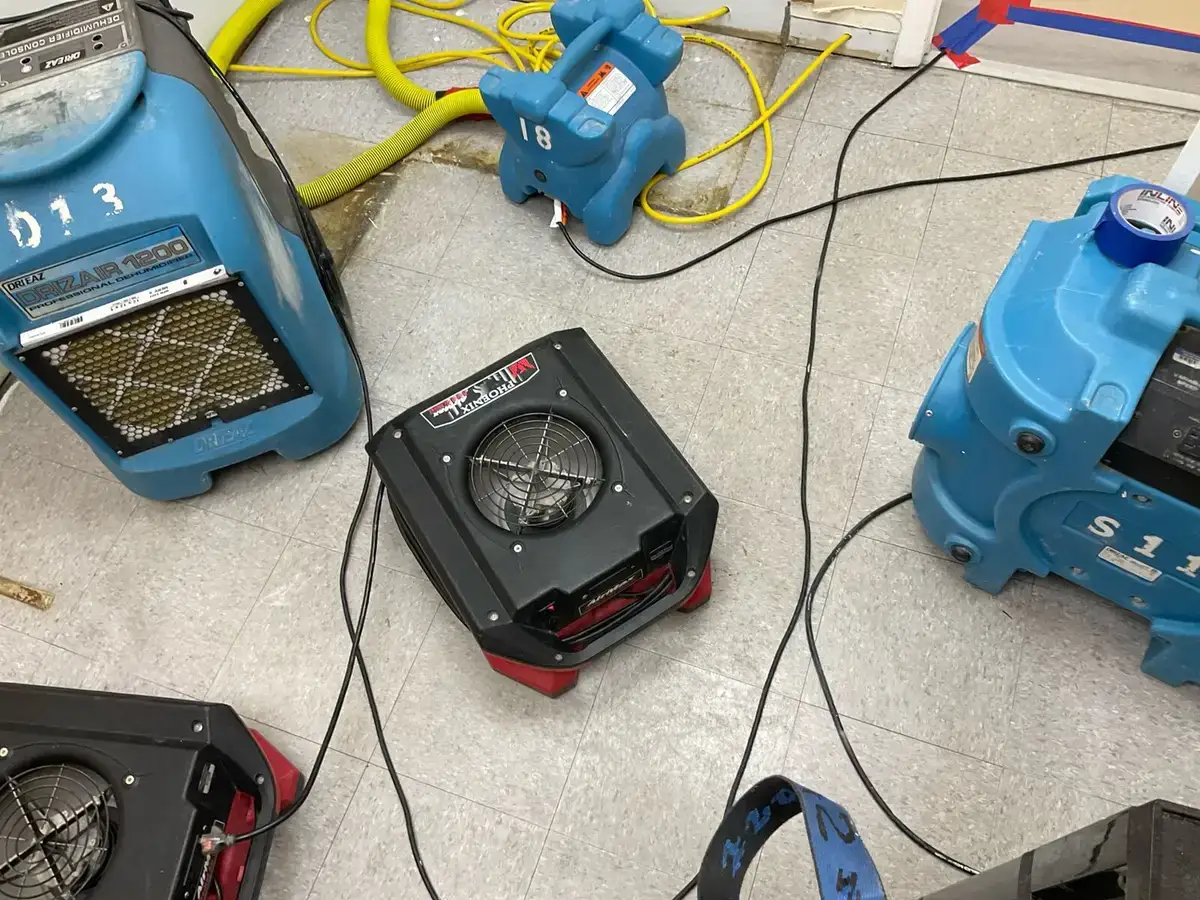
Once water has moved through several rooms, units, or shared systems, the goal shifts from simple cleanup to documented structural drying with enough equipment and monitoring to finish the job correctly.
If that is the situation, a coordinated response matters more than blame-first guesswork. Total Care Restoration's 24/7 emergency restoration team says it is set up for rapid mitigation, documentation, and drying support across South Florida, including occupied properties where access and scheduling are part of the problem.
The broader point for any reader is this: condo water damage restoration works best when everyone treats it as one event with one communication trail, one photo record, and one drying strategy. That does not solve every responsibility dispute. It does prevent a manageable loss from turning into several bigger ones.
This article is general information, not legal or insurance advice. Condo documents, carrier instructions, and loss conditions vary, so confirm next steps with your property manager, insurer, and qualified restoration professionals.
Want to Learn More?
Read our comprehensive guide covering everything you need to know about this topic.
The Complete Guide to Water Damage Restoration in South FloridaNeed Professional Help?
Our expert team is ready to assist with your water damage restoration needs.
View Water Damage Restoration Services