Black Mold vs Other Molds: Identification and Dangers

Understanding Black Mold
"Black mold" is one of the most feared terms in home ownership, but there's significant misunderstanding about what it actually is, how dangerous it truly is, and how to identify it. This guide separates fact from fiction while providing practical guidance for Florida homeowners.
How Does Black Mold Form?
When people say "black mold," they usually mean Stachybotrys chartarum (sometimes called Stachybotrys atra), a specific species known for producing mycotoxins. Understanding how to identify black mold starts with knowing what conditions allow it to thrive.
How to Identify Black Mold by Appearance
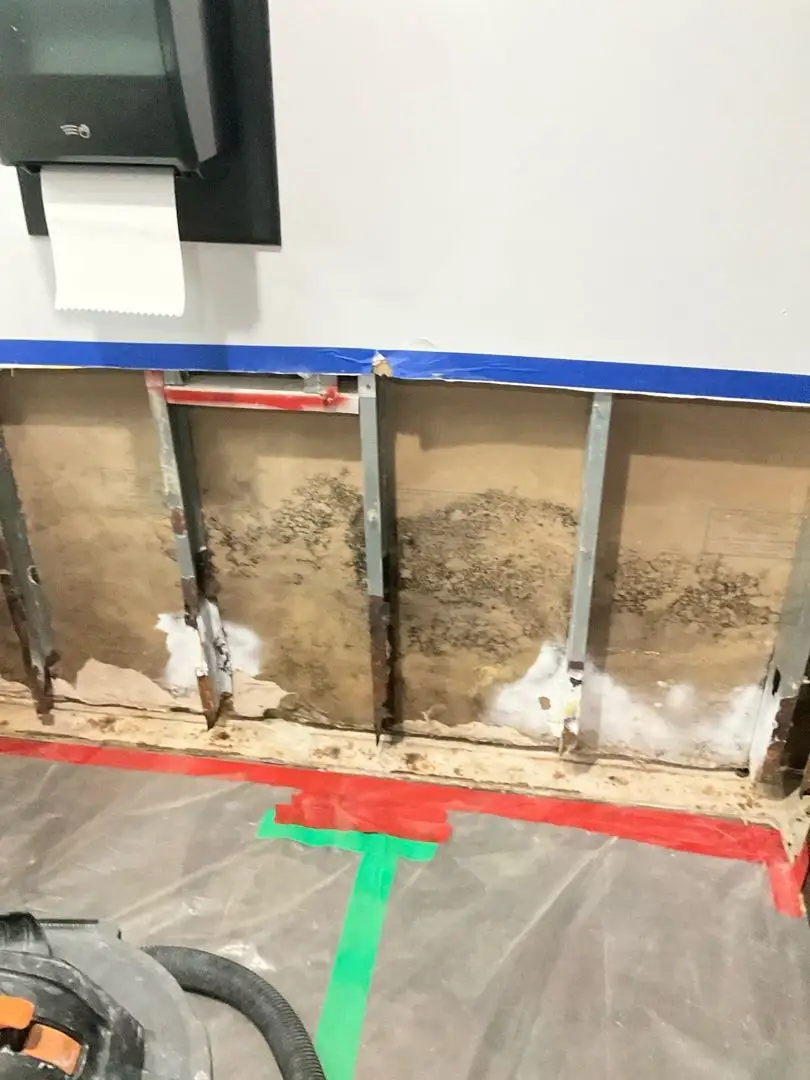
Stachybotrys appears greenish-black with a slimy or wet texture when actively growing, though it can look powdery when dry. It typically grows in irregular patches rather than uniform circles. Unlike other molds that can appear black, true Stachybotrys has a distinctive dark, often glossy appearance when moisture is present.
Growth Requirements
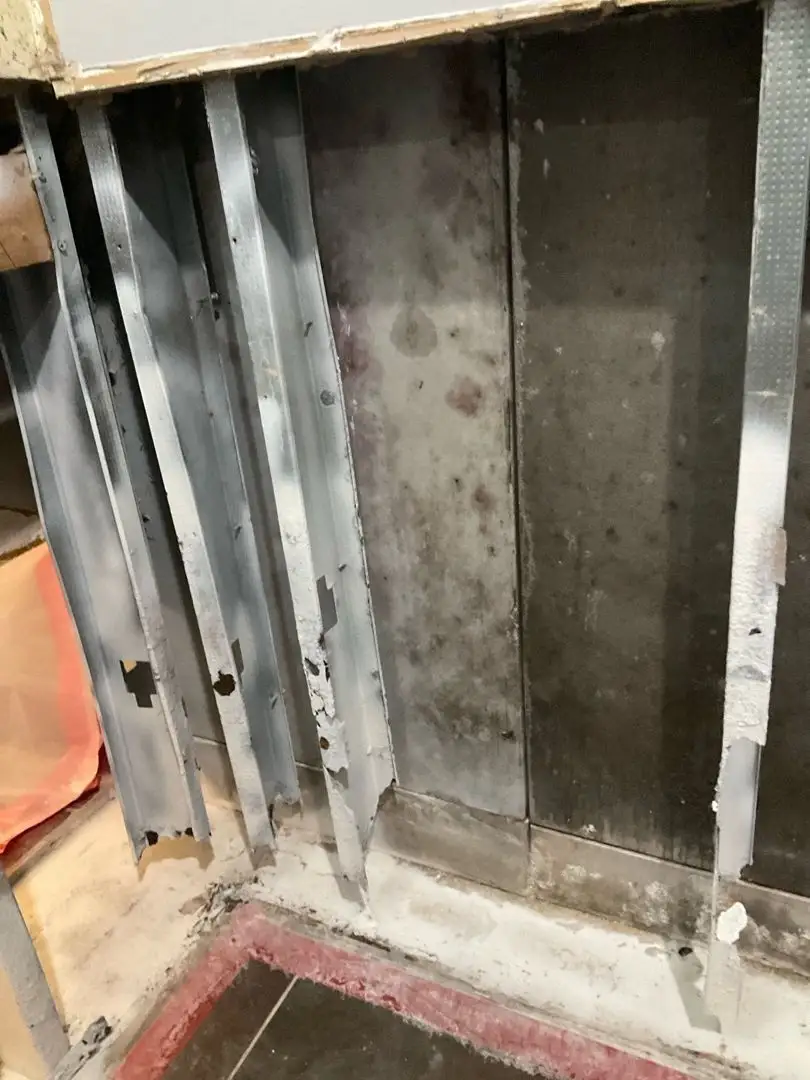
Black mold forms under specific conditions that differ from other common molds. It requires sustained high moisture levels—typically from water damage rather than just humidity—combined with cellulose-rich materials like paper, drywall, or wood. Stachybotrys needs an extended wet period of several days to weeks to establish itself, which is why it grows more slowly than other mold species. This is actually good news: you have a window to address water damage before black mold can take hold.
Common Locations
You'll most often find black mold in water-damaged drywall, wet ceiling tiles, and chronically damp areas. It frequently grows behind wallpaper where water damage has occurred, in flooded basements, and around persistent leaks. Any area with ongoing moisture problems and paper-based building materials is a potential breeding ground.
Black Mold vs Regular Mold: Key Differences
Many mold species appear dark or black but are NOT Stachybotrys. Understanding the difference between black mold and regular mold helps you respond appropriately to what you find in your home.
Cladosporium is one of the most common indoor molds and often appears dark green to black. You'll find it on fabrics, wood, and in HVAC systems. While it can cause allergic reactions, it doesn't produce the same mycotoxins as Stachybotrys.
Aspergillus niger also appears black and is extremely common in soil, air, and buildings. It can cause respiratory issues in sensitive individuals, but poses different risks than true black mold.
Alternaria ranges from dark brown to black and is one of the most common allergens. It thrives in showers, around windows, and other damp areas. While it can trigger asthma attacks, it's categorized differently from "toxic" mold.
Aureobasidium starts out pink or brown and darkens to black over time. You'll often find it on painted wood surfaces and caulking. It's allergenic but doesn't produce the same toxins as Stachybotrys.
The bottom line: Color alone cannot identify mold species. Only laboratory testing can confirm the presence of Stachybotrys. If you're concerned about what type of mold you're dealing with, professional testing is the only way to know for certain.
How Dangerous Is Black Mold?
Mycotoxins Explained
Stachybotrys can produce toxic compounds called mycotoxins, which is why it's sometimes called "toxic black mold." The most concerning of these are satratoxins and other trichothecenes—a class of toxins that are released in spores when the mold is disturbed. These can be inhaled or come into contact with skin, which is why proper protective equipment is essential during any black mold removal process.
Health Effects of Black Mold Exposure
The most common reactions to black mold are allergic in nature: sneezing, runny nose, red and itchy eyes, skin rashes, and coughing. Many people experience these symptoms without realizing mold is the cause.
More significant exposure can lead to respiratory issues including chronic coughing, difficulty breathing, wheezing, and persistent sinus problems. These symptoms often worsen over time if the mold problem isn't addressed.
With high or prolonged exposure, some individuals report more severe symptoms such as persistent headaches, fatigue, memory issues, and difficulty concentrating. While the research on these effects is still evolving, they underscore the importance of addressing mold problems promptly.
Who's Most at Risk?
Certain individuals are more susceptible to black mold health implications. People with existing allergies or asthma often experience more severe reactions. Those with weakened immune systems—including infants, the elderly, and people undergoing medical treatments—face greater risks. Anyone with chronic respiratory conditions should be particularly cautious around mold of any type.
Debunking Black Mold Myths
Myth 1: "Black Mold Is Deadly"
Reality: While exposure can cause serious health issues, healthy adults rarely experience life-threatening effects from typical household exposure. The media has sensationalized black mold dangers.
Myth 2: "Only Black Mold Is Dangerous"
Reality: Many mold species cause health problems. Some "harmless" molds cause worse allergic reactions in sensitive individuals than Stachybotrys.
Myth 3: "You Can Identify Black Mold by Color"
Reality: You cannot identify Stachybotrys by appearance alone. Professional testing is required for positive identification.
Myth 4: "Black Mold Grows Quickly Everywhere"
Reality: Stachybotrys actually grows SLOWER than many other molds and requires specific conditions (prolonged moisture, cellulose material).
Myth 5: "Black Mold Requires Special Remediation"
Reality: Professional remediation follows the same protocols for all mold types. The presence of Stachybotrys doesn't fundamentally change the remediation approach.
Does Bleach Kill Black Mold?
This is one of the most common questions homeowners ask, and the answer may surprise you: bleach is not an effective solution for most black mold problems.
While bleach can kill mold on hard, non-porous surfaces like tile, glass, or bathtubs, it fails on the porous materials where black mold typically grows—drywall, wood, and ceiling tiles. Here's why bleach doesn't work on these surfaces:
The chlorine in bleach cannot penetrate porous materials effectively. It stays on the surface while the water component soaks in, actually adding moisture that can feed mold growth deeper in the material. The mold's roots (hyphae) remain alive beneath the surface, allowing the colony to regrow.
The EPA no longer recommends bleach for mold cleanup. Instead, professionals use specialized antimicrobial solutions designed to penetrate porous materials, or they remove and replace contaminated materials entirely.
What about Clorox or other household bleaches? Whether you're wondering "will bleach kill black mold" or "will Clorox kill black mold," the answer is the same—these products are only effective on non-porous surfaces and should not be relied upon for serious mold problems.
If you're dealing with black mold on insulation, drywall, wood, or other porous materials, the affected material typically needs to be removed rather than treated. This is one of the main reasons professional black mold removal is recommended for most situations.
How to Tell If You Have Black Mold
Identifying a potential mold problem involves paying attention to visual cues, smells, and even your own health symptoms.
Visual Signs
Look for any visible mold growth, regardless of color—remember, you can't identify the species by appearance alone. Also watch for water stains on walls or ceilings, peeling or bubbling paint, warped or discolored walls, and visible moisture or condensation. These are all warning signs that conditions are right for mold growth.
Smell
Mold has a distinctive musty, earthy smell—often described as damp or stale. This odor may be strongest in certain areas of your home and typically worsens with increased humidity. If you notice a persistent musty smell but can't see mold, it may be growing in hidden areas like inside walls or under flooring.
Health Symptoms as Warning Signs
Your body can be an early warning system for mold problems. Consider mold as a potential cause if your symptoms improve when you're away from home, worsen in certain rooms, or started after a water event like a leak or flood. Multiple family members experiencing similar symptoms is another red flag.
Professional Testing Options
Professional mold testing is recommended when you suspect hidden mold, when health symptoms suggest exposure, for verification after remediation, or during real estate transactions. A black mold inspection typically costs between $200-$600 depending on your home's size and the extent of testing needed. Testing methods include air sampling (measuring spore counts in the air), surface sampling (direct swabs or tape lifts), bulk sampling (removing material samples), and ERMI testing (comprehensive DNA-based analysis).
When to Call Professionals
When Professional Help Is Essential
You should always call a professional mold remediation company if visible mold covers more than 10 square feet, if mold is in your HVAC system (which can spread spores throughout your home), if there's a strong musty odor without a visible source, or if anyone in your household is experiencing health symptoms. Professional help is also necessary when mold returns after cleaning attempts, when the cause of mold is unknown, or when an insurance claim is involved.
When DIY Might Be Appropriate
Attempting to clean mold yourself is only advisable if the affected area is less than 10 square feet, located on a non-porous surface like tile or glass, and you've already identified and fixed the moisture source. Additionally, there should be no health-sensitive occupants (infants, elderly, or immunocompromised individuals) in the home, and the mold must be accessible—not hidden in walls or other concealed spaces.
Professional Remediation Process
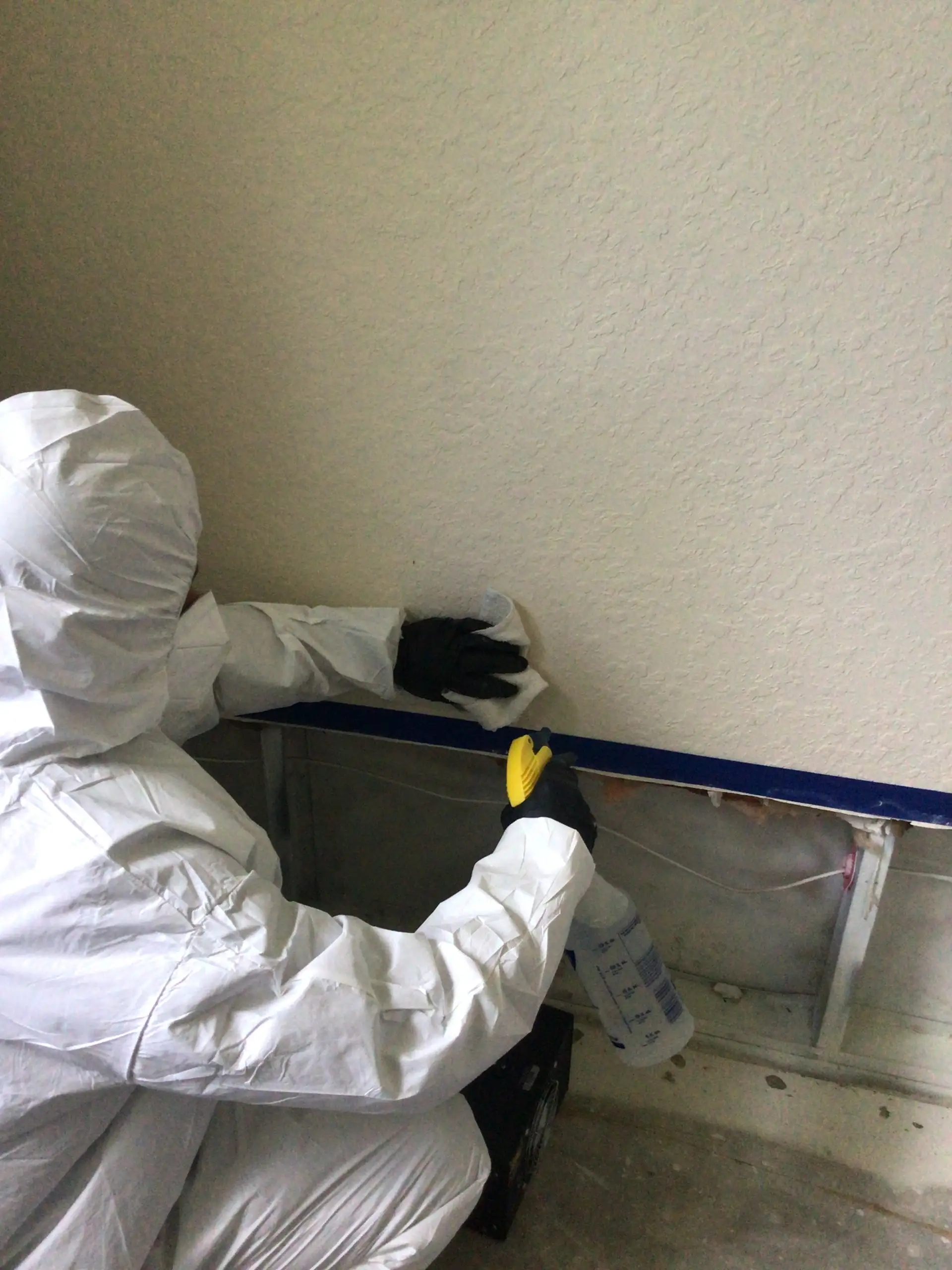
Regardless of mold species, professional remediation includes:
- Assessment: Determine extent and source
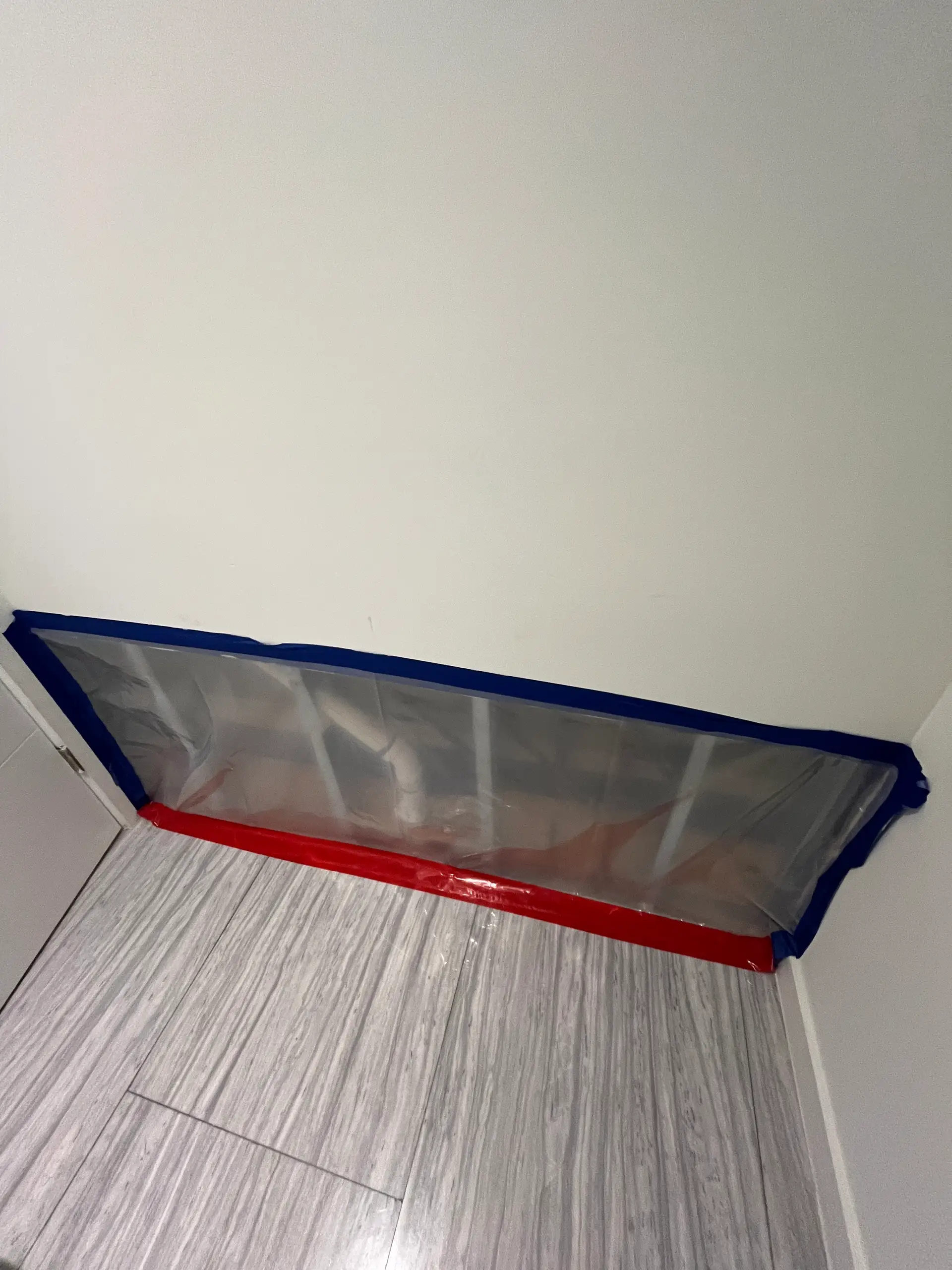
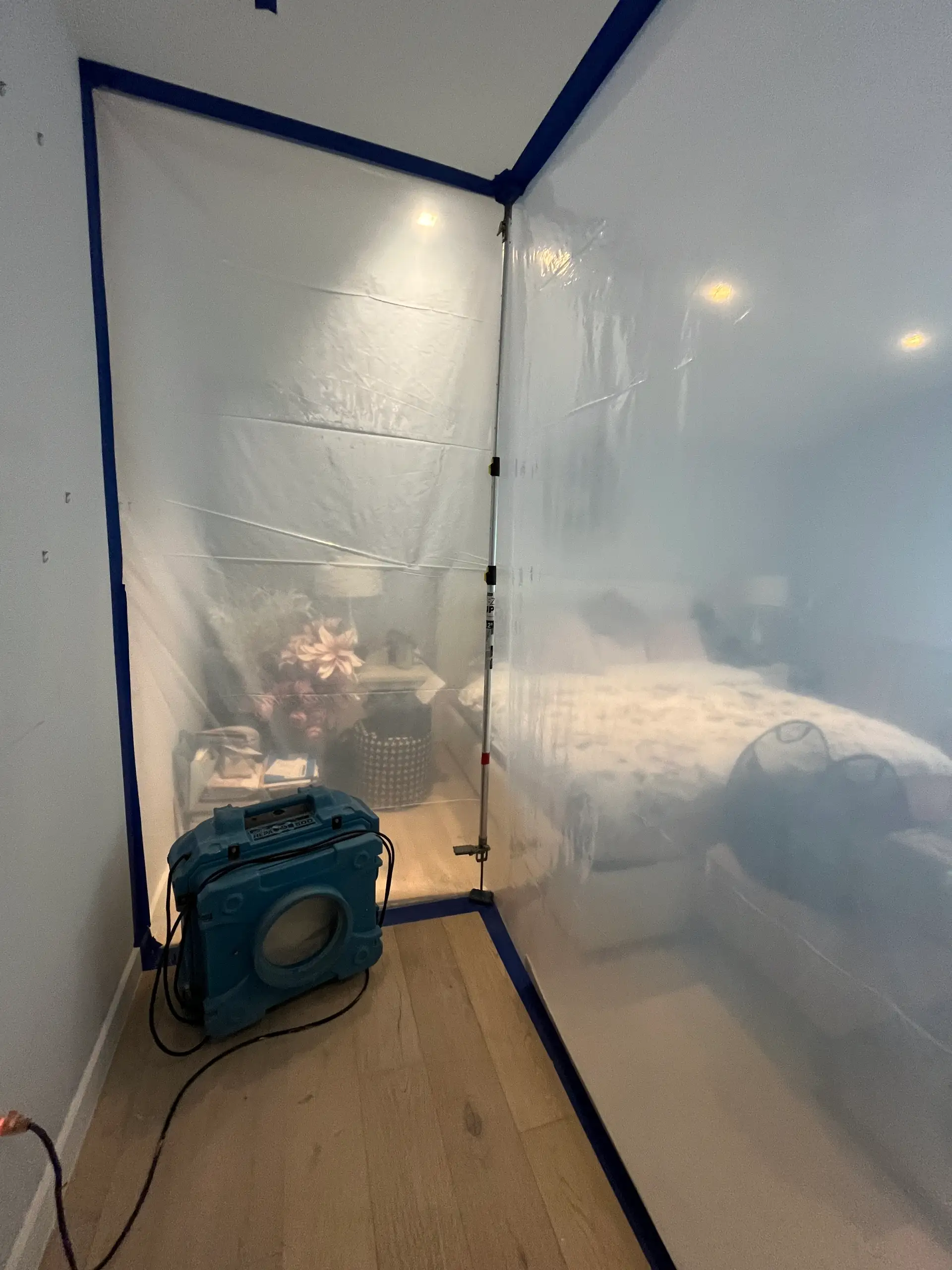
- Containment: Prevent spread to unaffected areas
- Air Filtration: HEPA filtration throughout
- Removal: Remove contaminated materials
- Cleaning: Treat remaining surfaces
- HVAC Cleaning: If system affected
- Verification: Post-remediation testing
- Reconstruction: Replace removed materials
Black Mold Removal: What You Need to Know
When it comes to how to deal with black mold, understanding what NOT to do is just as important as knowing the proper approach.
What NOT to Do
Don't dry-scrape or brush the mold. This releases massive amounts of spores into the air, spreading contamination throughout your home and creating health risks.
Don't rely on DIY methods for large areas. While small mold spots on non-porous surfaces can sometimes be handled by homeowners, black mold removal on porous materials or areas larger than 10 square feet requires professional intervention.
Don't assume the mold is gone just because you can't see it. Mold often grows inside walls, under flooring, and in other hidden areas. What's visible may be just a fraction of the problem.
How to Eliminate Black Mold Safely
For small areas (under 10 square feet) on non-porous surfaces, you can clean using a solution of water and detergent, ensuring proper ventilation and wearing protective equipment including an N95 mask and gloves.
For larger areas or mold on porous materials, professional black mold removal is the safest approach. Professionals have the equipment to contain the work area, filter the air, and safely dispose of contaminated materials without spreading spores throughout your home.
How to Dispose of Black Mold Materials
Contaminated porous materials must be bagged in heavy-duty plastic before removal from the contained work area. Professional remediation companies follow strict protocols for disposal, often treating materials as contaminated waste. Never put moldy materials in regular trash without proper containment.
If you're searching for "black mold removal near me," look for companies that are IICRC certified and follow industry-standard protocols. Total Care Restoration serves the Tampa and South Florida areas with comprehensive mold remediation services.
Preventing Black Mold
The single most important factor in preventing black mold is controlling moisture. Since Stachybotrys requires prolonged wetness to establish, quick action on water issues is your best defense.
Moisture Control
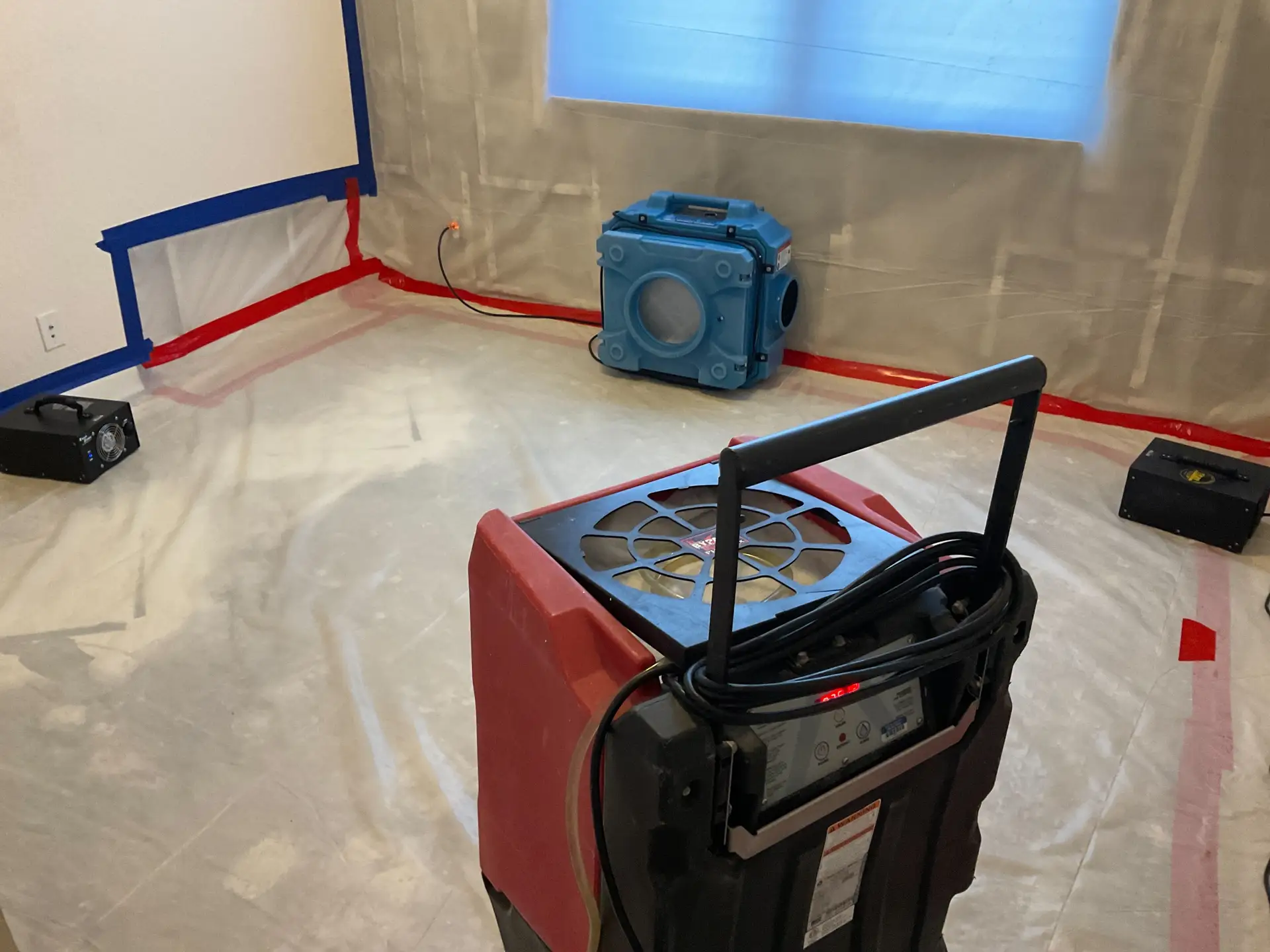
Fix any leaks immediately—within 24 to 48 hours if possible—before mold has a chance to establish. Keep indoor humidity below 60% by using a dehumidifier, especially in naturally damp areas. A dehumidifier for black mold prevention is one of the most effective investments Florida homeowners can make. Ensure proper ventilation throughout your home, use exhaust fans in bathrooms and kitchens, and clean your AC drains regularly to prevent overflow and moisture buildup.
Smart Material Choices
In moisture-prone areas like bathrooms, laundry rooms, and basements, choose materials that resist mold growth. Mold-resistant drywall (often called "green board" or "purple board") is designed for high-humidity environments. Consider tile or vinyl flooring instead of carpet in areas prone to moisture. Use mold-resistant paints in bathrooms and choose moisture-resistant materials wherever possible.
Regular Inspection Points
Make it a habit to check high-risk areas regularly: under sinks, around water heaters, behind toilets, around windows (especially those that collect condensation), in attics and basements, and near AC units and their drain lines. Catching moisture problems early prevents them from becoming mold problems.
Florida-Specific Concerns
Our Climate Creates Risk
Florida's high humidity creates an environment where mold can thrive. Once mold starts growing, our warm, moist climate accelerates its spread significantly faster than in drier regions. This makes prevention even more critical for Florida homeowners. Your air conditioning system isn't just for comfort—it's a key tool for controlling indoor humidity and preventing mold growth. Regular AC maintenance, including cleaning drain lines and replacing filters, is essential.
Hurricane Season Preparedness
After tropical storms and hurricanes, mold becomes a serious concern. Mold can begin growing within 24 to 48 hours of water intrusion, so time is critical. If your home experiences flooding or water damage, begin drying out wet areas immediately using fans, dehumidifiers, and professional water extraction if needed. Don't wait to address water intrusion—every hour counts. Document all damage thoroughly with photos and videos for insurance purposes before cleanup begins.
Conclusion
"Black mold" (Stachybotrys) is a specific mold species that can produce harmful mycotoxins, but it's not the only concerning mold, and not all dark mold is Stachybotrys. The key takeaway is that ANY mold growth indicates a moisture problem that needs correction, and any significant mold growth warrants professional assessment.
If you suspect mold in your Florida home—regardless of color—contact Total Care Restoration for a professional assessment. We provide thorough inspection, proper testing if needed, and complete remediation following industry protocols.
Don't let fear—or complacency—guide your response. Call (786) 610-6317 for expert mold assessment and remediation.
Want to Learn More?
Read our comprehensive guide covering everything you need to know about this topic.
The Complete Guide to Mold Remediation in FloridaNeed Professional Help?
Our expert team is ready to assist with your mold remediation needs.
View Mold Remediation Services